 TributeLegacy
bronze plaque · Scotland
Oliver Cromwell MP
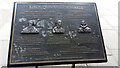
Kings, Queens & Cromwell Saint Margaret, Queen of Scotland Revered wife of King Malcolm III (reigned 1058-93). Canonised in 1250. According to tradition, her relics (skull and hair) were hidden at Rossend Castle from c1565 to c1580 to prevent their destruction at the Reformation. King Alexander III (Reigned 1249-86) Killed in an accident near Kingswood, bringing to an end Scotland's 'Golden Age'. Commemorated by his memorial on the road to Kinghorn. King James V (Reigned 1513-42) Saw the potential of Burntisland harbour and developed it - the catalyst for the town we know today. Granted Royal Burgh status to Burntisland in 1541. Mary, Queen of Scots (Reigned 1542-67) Frequent visitor to Burntisland, staying at Rossend Castle - the scene of her notorious attempted seduction by the French poet, Pierre de Châtelard. King James VI (Reigned 1567-1625) Proposed a new version of the Bible at the General Assembly of the Church of Scotland held at Burntisland in 1601. Confirmed Burntisland's status as a Royal Burgh. King Charles I (Reigned 1625-49) Lost his potentially priceless treasure when his baggage ferry sank off Burntisland in 1633. Oliver Cromwell (Lord Protector of England 1653-58) His forces occupied Burntisland from 1651 to 1660, subjecting the inhabitants to a period of great tyranny and oppression.
Inscription drawn from imported open data, awaiting original TributeLegacy editorial.
Source: Open Plaques. Geographic data via OpenStreetMap.