
plaque · Ireland
The Willows
This stone memorial, simply inscribed "The Willows", serves as a quiet tribute. Although its specific dedication is not detailed, the name itself evokes imagery closely associated with beloved children's literature. It stands as a marker, inviting contemplation about the stories and natural settings that have captured imaginations for generations, particularly those themes that celebrate friendship and the tranquil beauty of the countryside.
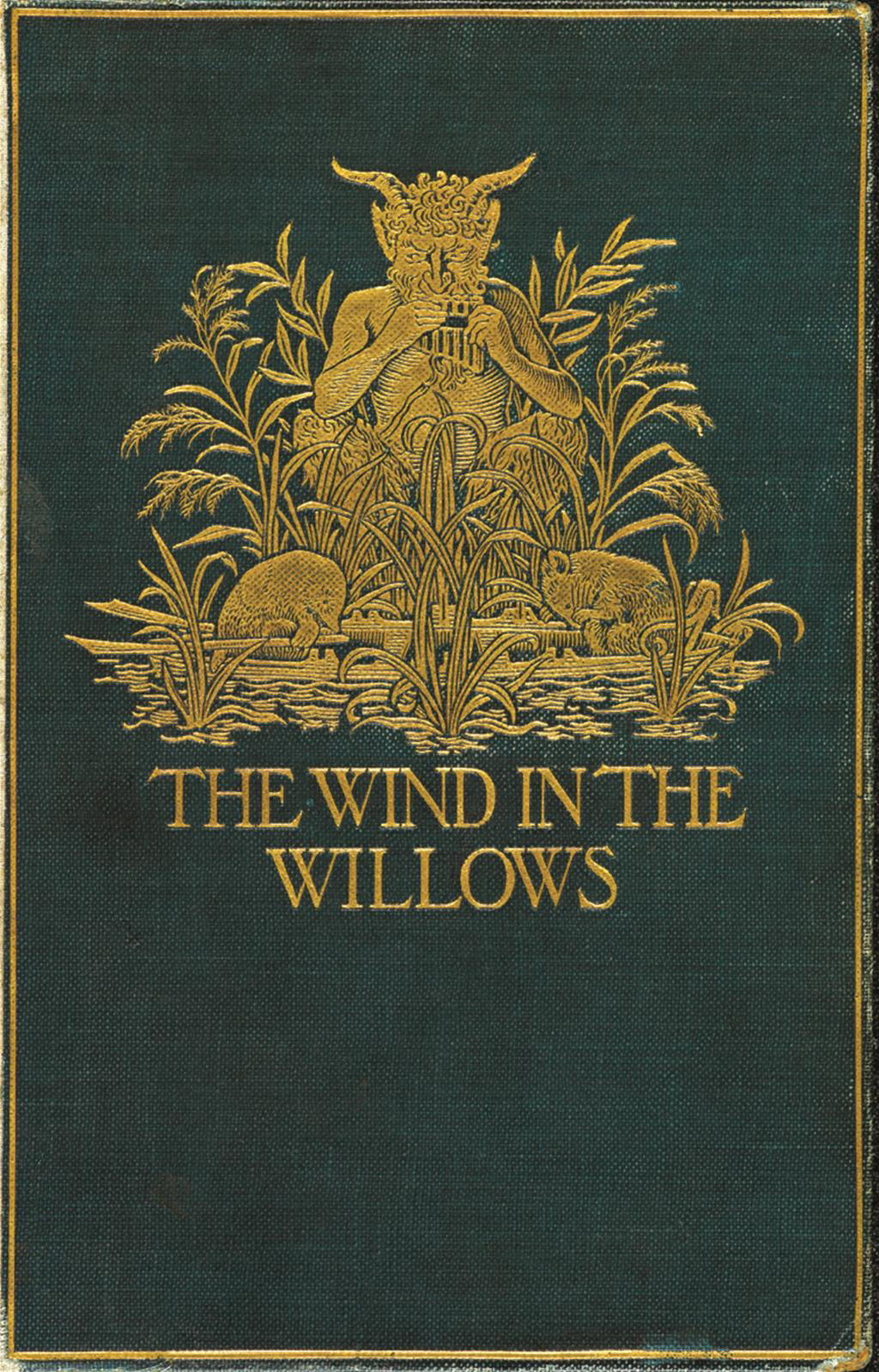
The name "The Willows" resonates deeply within British literary traditions, notably reflecting the enchanting world depicted in Kenneth Grahame's classic novel, "The Wind in the Willows." First published in 1908, this story emerged from narratives Grahame shared with his son. It recounts the adventures of animal characters, initially receiving mixed reviews but later becoming a cherished part of British literature. Such literary connections often inspire memorials, celebrating cultural heritage and the enduring power of storytelling within local communities.
The memorial is a stone structure, bearing only the inscription "The Willows." As a historic memorial, it offers a simple point of interest. Visitors are encouraged to approach with respect for its commemorative purpose, appreciating its understated presence. While specific access details beyond its location as a memorial stone are not provided, its nature suggests it is likely in a publicly accessible space.
Inscription
“The Willows”
Background
The Wind in the Willows is a children's novel by the British novelist Kenneth Grahame, first published in 1908. It tells the story of Mole, Ratty and Badger as they try to help Mr. Toad after he becomes obsessed with motorcars and gets into trouble. It also contains short stories about them that are disconnected from the main narrative. The novel was based on bedtime stories that Grahame told his son Alastair. The Wind in the Willows received negative reviews upon its initial publication, but it has since become a classic of British literature. It was listed at No. 16 in the BBC's survey The Big Read and has been adapted multiple times in different media.
Source: OpenStreetMap. Geographic data via OpenStreetMap.