
WAR MEMORIALwar memorial · England
War Memorial
Click to remember them. Lest we forget.

This war memorial serves as a dedicated site of remembrance, honouring individuals who experienced or perished in conflict. These structures are erected broadly to ensure that the sacrifices made during wartime are not forgotten, providing a tangible place for reflection and public mourning. It stands as a silent testament to the human cost of war, designed to perpetuate the memory of those from the community who served. Such memorials aim to foster a collective memory, ensuring that future generations understand the gravity of past conflicts and the impact they had on society and individual lives.
The tradition of erecting war memorials gained significant prominence, particularly from the early 20th century onwards. Following major global conflicts, communities across England, and indeed the world, felt a profound need to commemorate their fallen. These memorials became focal points for national and local remembrance, often taking diverse forms such as monuments, civic buildings, or statues. They reflect a widespread societal desire to acknowledge the collective sacrifice and to provide a physical space for grief and honour within the public sphere. This particular memorial stands within this rich historical tradition, embodying a community's enduring commitment to honour its history.
Situated in England, this war memorial is publicly accessible, offering a place for quiet contemplation. Visitors are encouraged to approach with respect, maintaining the solemnity of the site. As a memorial, it stands as a permanent fixture in the landscape, inviting individuals to reflect on its purpose and the stories it represents. Its location ensures it is an integral part of the community, easily visited by those wishing to pay their respects or to understand more about its historical significance. Access typically does not require special arrangements, allowing for spontaneous visits.
Photographs


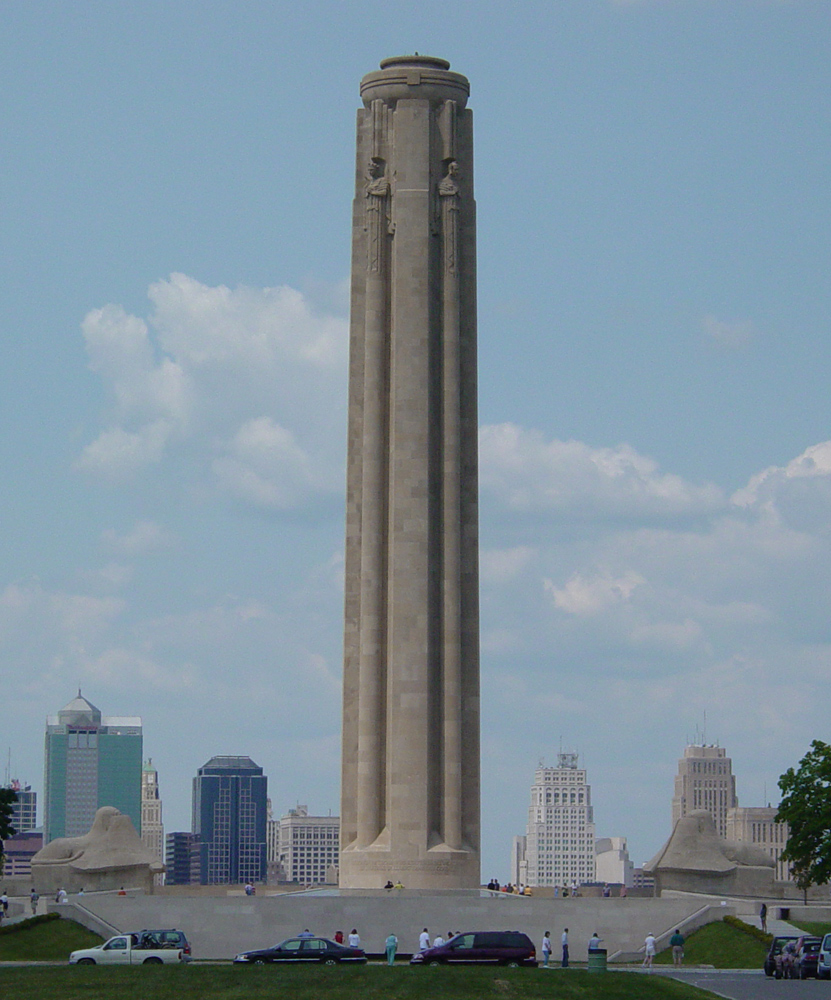
Images via Wikimedia Commons - click to view licensing & full resolution.
Source: OpenStreetMap. Geographic data via OpenStreetMap.