
war grave · Commonwealth War Graves
National Memorial Arboretum
d. 2001
Click to remember them. Lest we forget.

The Commonwealth War Graves at the National Memorial Arboretum serves as a poignant reminder of those who lost their lives in global conflicts. The Arboretum itself functions as the United Kingdom's central hub for remembrance throughout the year, encompassing over 400 distinct memorials spread across a 150-acre site. Among these is the Armed Forces Memorial, dedicated specifically to those who died while on duty since the conclusion of the Second World War. This collection of graves thus forms a significant element within a much larger commemorative landscape, honouring fallen service personnel and ensuring their sacrifices are remembered.
This memorial stands within a tradition of commemorating military personnel who died in service, particularly those from commonwealth nations. The period following major global conflicts saw a significant rise in dedicated sites for remembrance. The broader historical backdrop includes devastating events like World War II, a global conflict from 1939 to 1945 involving most of the world's nations. This war, considered the deadliest in history, resulted in an estimated 60 to 75 million fatalities from combat, starvation, disease, and genocides. The impetus for establishing such comprehensive memorial landscapes often arises from a collective desire to acknowledge the immense human cost of these conflicts.
These Commonwealth War Graves are situated at the National Memorial Arboretum, located on Croxall Road in Alrewas, Burton-on-Trent, with the postcode DE13 7AR. Visitors can explore the 150-acre grounds, which are home to numerous memorials in addition to these graves. The Arboretum is designed to be a centre of remembrance, offering a reflective atmosphere for all who visit. Access information can typically be found on the Arboretum's official website, and visitors are encouraged to observe all guidelines to ensure a respectful and contemplative experience.
Those who visit the National Arboretum can find a place of quiet reflection. This significant site serves as a lasting tribute, embodying the purpose of war memorials which are established to honour those who have experienced the hardships of conflict. These monuments stand not only to celebrate historical victories but, increasingly in modern times, to remember and give thanks for the lives of those who were lost or wounded during wartime.
The arboretum, therefore, functions as one such testament. It offers a space for contemplation and remembrance, acknowledging the sacrifices made and ensuring that the memory of those affected by war is preserved for future generations. Its grounds provide a setting where the stories of service and loss can be quietly acknowledged and respected.
Original summary by TributeLegacy, informed by public sources.
Photographs


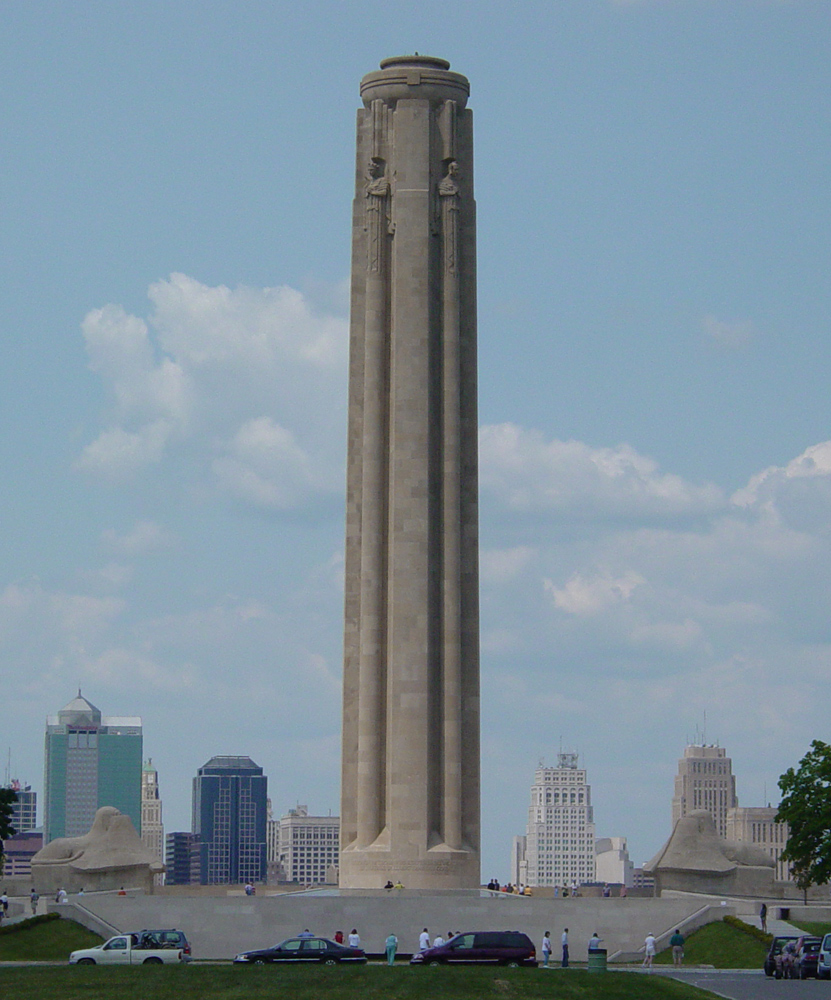
Images via Wikimedia Commons - click to view licensing & full resolution.
Source: Royal British Legion / National Memorial Arboretum. Geographic data via OpenStreetMap.