war grave · WW2 Northern Europe
Arnhem Oosterbeek War Cemetery
d. 1945
Click to remember them. Lest we forget.

The Arnhem Oosterbeek War Cemetery serves as a poignant memorial, providing a final resting place for those who lost their lives during some of the fiercest fighting of the Second World War. It commemorates military personnel from Commonwealth nations and Poland who fell during the Battle of Arnhem and the broader campaign to liberate the Netherlands. This solemn site honours the sacrifices made by these individuals, ensuring their stories are remembered and their contributions to the Allied effort are acknowledged. The cemetery stands as a testament to the international effort and the human cost of the conflict in this region.
This cemetery is a significant site from World War II, a global conflict that engulfed nearly all nations from 1939 to 1945. Emerging from unresolved tensions after World War I, including the rise of fascism and militarism, the war began with Germany's invasion of Poland, leading the United Kingdom and France to declare war. The conflict saw vast swathes of Europe, including the Netherlands, fall under German occupation, necessitating major Allied campaigns for liberation. The Battle of Arnhem, for which many interred here made the ultimate sacrifice, was a critical event within this larger struggle to free Western Europe from Axis control and ultimately bring an end to the deadliest conflict in human history.
The Arnhem Oosterbeek War Cemetery is located on Van Limburg Stirumweg in Oosterbeek, Netherlands. This Commonwealth War Graves Commission site is meticulously maintained, offering visitors a place for quiet reflection and remembrance. It contains 1,684 Commonwealth burials and an additional 79 Polish burials, primarily from Operation Market Garden and the subsequent liberation efforts. Visitors can expect to find rows of uniform headstones set in a peaceful, green landscape, typical of war cemeteries designed to honour the fallen with dignity. The cemetery is generally accessible, encouraging respectful visits to pay tribute to those interred there.
Christiaan Lindemans, also known as Freddi Desmet, played a complex and controversial role during the Second World War. He worked under Soviet direction as a double agent, holding significant access within the Dutch Military Intelligence Division. His imposing stature earned him the nickname 'King Kong' in the Netherlands, while in Belgium and France he was known as 'le Tueur', reportedly due to a readiness for decisive action.
Lindemans is remembered for his alleged role in the betrayal of Operation Market Garden, which is said to have contributed to the German victory at Arnhem. This was a pivotal moment in the conflict's duration. He had also served the Allies, and was reported responsible for the deaths of at least twenty-seven German soldiers during guerrilla actions near Antwerp.
Original summary by TributeLegacy, informed by public sources.
Photographs

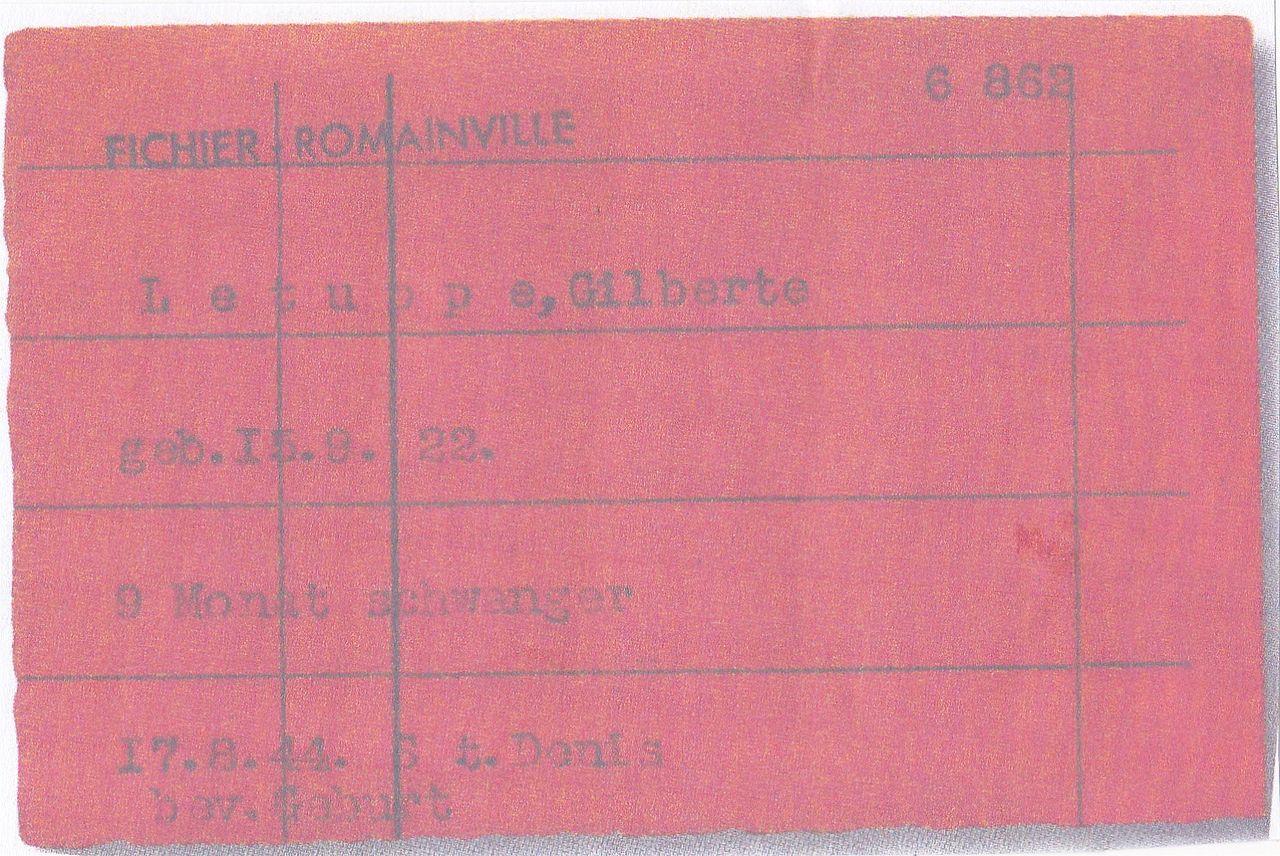

Images via Wikimedia Commons - click to view licensing & full resolution.
Source: Wikipedia (CC BY-SA). Geographic data via OpenStreetMap.