
blue plaque · Wales
Captain Robert Falcon Scott CVO RN
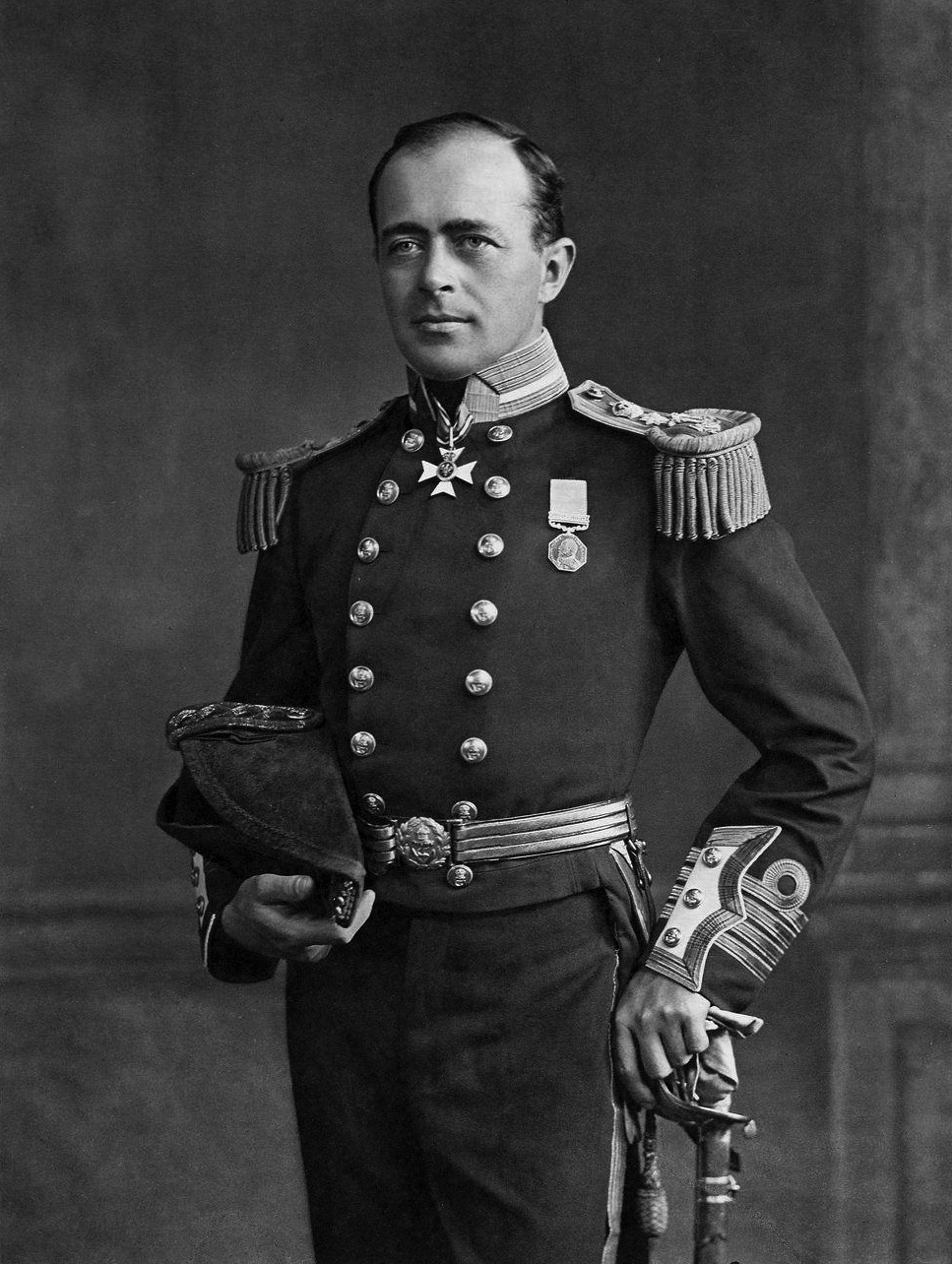
This memorial commemorates Captain Robert Falcon Scott, a Royal Navy officer and explorer celebrated for his Antarctic expeditions. He led the Discovery expedition from 1901 to 1904, during which he established a new southern record and identified the Antarctic Plateau. His second venture, the Terra Nova expedition between 1910 and 1913, saw him reach the South Pole with his party in January 1912. Tragically, Scott and his companions perished on the return journey. The plaque also notes that Scott and his team held the first Antarctic fossils at the time of their discovery, which provided evidence of Antarctica's past forested landscape and connections to other continents. His commitment to Antarctic exploration defined the latter years of his life.
Captain Scott's expeditions took place during a period of intense global interest in polar exploration, an era driven by scientific discovery and national prestige. His ventures, particularly the Terra Nova expedition, occurred at a time when reaching the South Pole represented a significant human endeavour. The tradition of erecting memorials like this one is rooted in the widespread public recognition Scott received following his death, becoming a national hero. Although some later re-evaluated his competence, more recent analyses of the extreme weather conditions and rediscovery of his specific instructions to his dog teams, have led to a more positive view of his leadership and planning.
This blue plaque is located at 88 St Mary Street in Cardiff, marking a significant historical event linked to Captain Scott's final expedition. It commemorates the last public banquet attended by Captain Robert Falcon Scott and his team before their departure aboard the 'Terra Nova' on 15th June 1910. The site preserves The Captain Scott Room in their memory, offering visitors a direct connection to the expedition's outset. Access to the plaque is public, allowing respectful viewing of this important tribute to Antarctic exploration.
Inscription
“Captain R. F. Scott 1868-1912 Antarctic Explorer. Here on 13th June 1910 Captain Robert Falcon Scott CVO RN and the men of his British Antarctic Exhibition 1910-13 attended their last public banquet before departing on 15th June 1910 from Cardiff aboard the ‘Terra Nova’ beginning their journey to the South Pole. The Captain Scott Room is preserved in their memory.”
Background
Captain Robert Falcon Scott's name is widely remembered for his pioneering explorations of the Antarctic. He led two significant expeditions to the region: the Discovery expedition and the Terra Nova expedition. During the first journey, he achieved a southern record for his time and identified the Antarctic Plateau. On his second venture, Scott's party successfully reached the South Pole, an achievement made even more notable by the discovery of the first Antarctic fossils found with them. These fossilised remains provided scientific evidence that Antarctica was once a forested landmass connected to other continents.
Scott's connection with the Antarctic began after a meeting led him to volunteer for the planned expedition. His commitment to exploration defined his final years. News of his death led to him being celebrated as a national hero, with many memorials established in his honour across the UK. In more recent times, however, discussions have surfaced questioning aspects of his leadership and conduct during these expeditions.
Original summary by TributeLegacy, informed by public sources.
Source: Open Plaques. Geographic data via OpenStreetMap.