
bronze plaque · Scotland
Andrew Bell
This plaque commemorates Andrew Bell, a figure recognised for his significant contribution to education. Born in 1753, Bell developed the Madras System of education during the 1790s in India, an innovative method that influenced schools globally. His legacy includes the founding of numerous educational institutions, among them the Madras College in St Andrews. The plaque serves as a reminder of his pioneering work, acknowledging his role in shaping modern educational practices and his dedication to establishing new centres of learning.
The plaque honours an individual who emerged during a period of significant educational reform and expansion. The late 18th and early 19th centuries saw a growing interest in structured teaching methods and the establishment of formal schooling for wider segments of society. Bell's work in India, developing a system that harnessed peer-to-peer teaching, reflected contemporary efforts to make education more accessible and efficient. This era laid much of the groundwork for the modern public education system, and Bell's contributions placed him firmly within this tradition of educational innovation and institutional development.
The memorial is a bronze plaque located at 105-107 South Street in Scotland. Visitors will find this tribute affixed to a building, marking a specific place associated with Andrew Bell. The plaque is readily accessible, allowing those interested in educational history to view it as part of a visit to the area. It stands as a permanent marker, inviting contemplation on the origins of the Madras System and the broader impact of Bell's work.
Inscription
“Birthplace of Andrew Bell (1753-1832) originator of the Madras System of education in the 1790s in India. Founder of many schools including the Madras College, St Andrews.”
Background
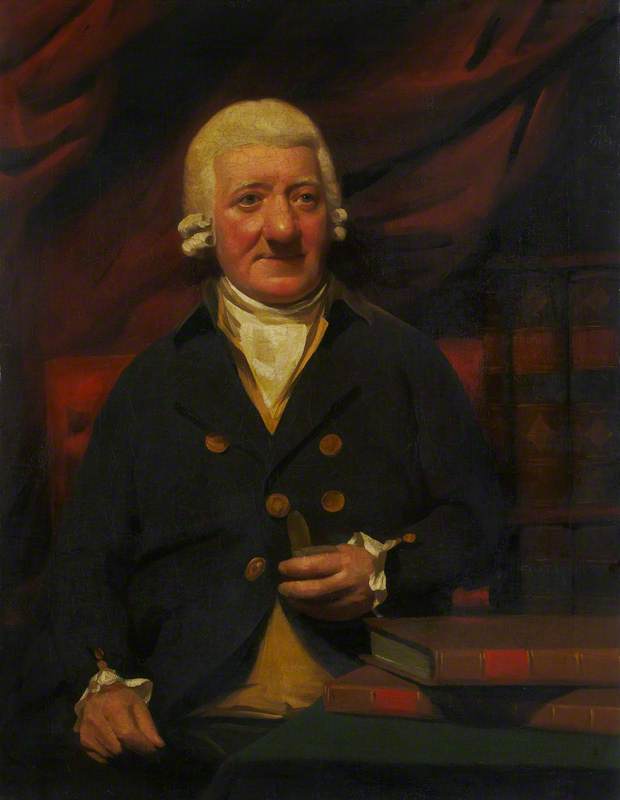
Andrew Bell is remembered as a Scottish artist and printer whose work left a significant mark. He was born in 1726 and died in 1809. Bell's lasting legacy is his co-founding of the Encyclopædia Britannica, a monumental work that continues to be a source of knowledge for many.
His collaboration with Colin Macfarquhar on this ambitious project highlights his contribution to the spread of information and learning. Bell's life and work represent an important chapter in the history of printing and publishing in Scotland.
Original summary by TributeLegacy, informed by public sources.
Source: Open Plaques. Geographic data via OpenStreetMap.