
blue plaque · Northern Ireland
Sir Charles Lanyon
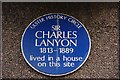
This plaque commemorates Sir Charles Lanyon, a prominent English architect whose work profoundly shaped the city of Belfast in the 19th century. Lanyon was a significant figure in Northern Irish architecture, with many of his designs becoming iconic landmarks. The plaque serves as a reminder of his lasting legacy and the architectural heritage he contributed to the region. His influence is still visible in numerous buildings across Belfast, testifying to his skill and vision as a designer. This recognition ensures that his connection to this specific site and his wider impact on the city are remembered.
The 19th century was a period of significant growth and transformation for Belfast, seeing it develop into a major industrial and commercial centre. This era created a demand for substantial new buildings, from civic structures to grand private residences, providing fertile ground for architects like Lanyon. His work emerged within a broader tradition of Victorian architecture, characterised by a blend of revival styles and an emphasis on robust construction. The placement of such plaques reflects a modern commitment to acknowledging the individuals who have shaped the urban environment and contributed to its cultural identity.
The plaque dedicated to Sir Charles Lanyon is located at 14 Wellington Place in Northern Ireland. Visitors will find it affixed to a building on this street, marking the former site of his residence. Wellington Place is a central part of Belfast, making the plaque easily accessible within the city's urban fabric. Those wishing to pay their respects can view the plaque as part of a stroll through the city centre, observing the architectural context in which Lanyon's designs would have originally been conceived and built.
Inscription
“Sir Charles Lanyon 1813-1889 lived in a house on this site”
Background
Sir Charles Lanyon was a significant 19th-century architect whose designs profoundly shaped the cityscape of Belfast. His extensive portfolio of work makes him a notable figure when remembering the architectural heritage of Northern Ireland.
Born in England, Lanyon became most closely identified with his contributions to Belfast, where his professional output left a lasting impression. His legacy endures through the buildings he designed, which continue to stand as testaments to his vision and skill in the city he so notably influenced.
Original summary by TributeLegacy, informed by public sources.
Source: Open Plaques. Geographic data via OpenStreetMap.