
blue plaque · Manchester
Sir William Brereton 1st Baronet
This blue plaque commemorates Sir William Brereton, a significant figure in 17th-century England. Born in 1604, Brereton played a pivotal role during the English Civil War, leading Parliamentary troops. His actions and affiliations place him firmly within the tumultuous period of conflict between the Royalist and Parliamentarian forces. The plaque serves as a dedicated reminder of his historical presence for residents and visitors to Manchester. It highlights his military influence and connection to the local area, ensuring that his contributions to the war effort are remembered within the city's public historical narrative.
Sir William Brereton's activities during the English Civil War align him with a broader conflict that shaped the future of England. The war saw deep divisions within society, with figures like Brereton siding with Parliament against the Royalist cause. This era was characterised by fierce military engagements and political upheaval, contrasting with the apologist stance taken by some Royalist figures of the time, such as Sir Thomas Aston. Brereton's presence with Parliamentary troops at 'Barloe More' in May 1645 illustrates the geographical reach and localised impact of the conflict, bringing the wider national struggle to specific areas like Didsbury. This was a time when allegiances were sharply drawn, and military leaders held considerable sway.
The memorial is installed at Didsbury Library, located at 692 Wilmslow Road. Visitors can find the blue plaque affixed to the building, making it accessible from the public sidewalk. Didsbury Library is a local community asset, and the plaque is positioned for easy viewing. Visitors are encouraged to observe the plaque respectfully, taking into account the library's operational hours if they wish to access nearby facilities or learn more about the local area. The prominent placement ensures it is a visible part of the historic landscape of Didsbury.
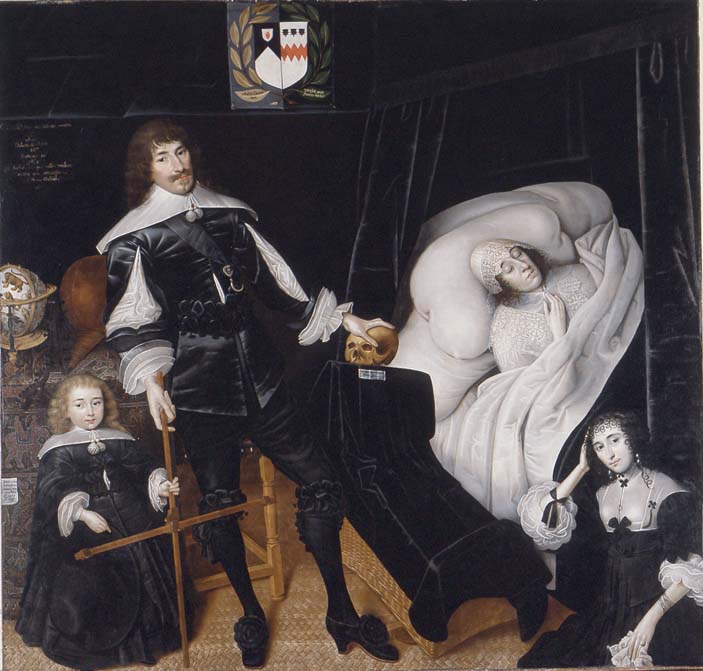
Sir Thomas Aston, 1st Baronet (29 September 1600 – 24 March 1645) was an English politician and army officer who sat in the House of Commons in 1640. He fought for the Royalist cause in the English Civil War. The portrait he commissioned from John Souch of his first wife Magdalene, Lady Aston (née Magdalen Pulteney) on her deathbed is in Manchester Art Gallery. He is known as an apologist for the Church of England.
Source: Open Plaques. Geographic data via OpenStreetMap.