
blue plaque · Manchester
Sir Harry Secombe CBE
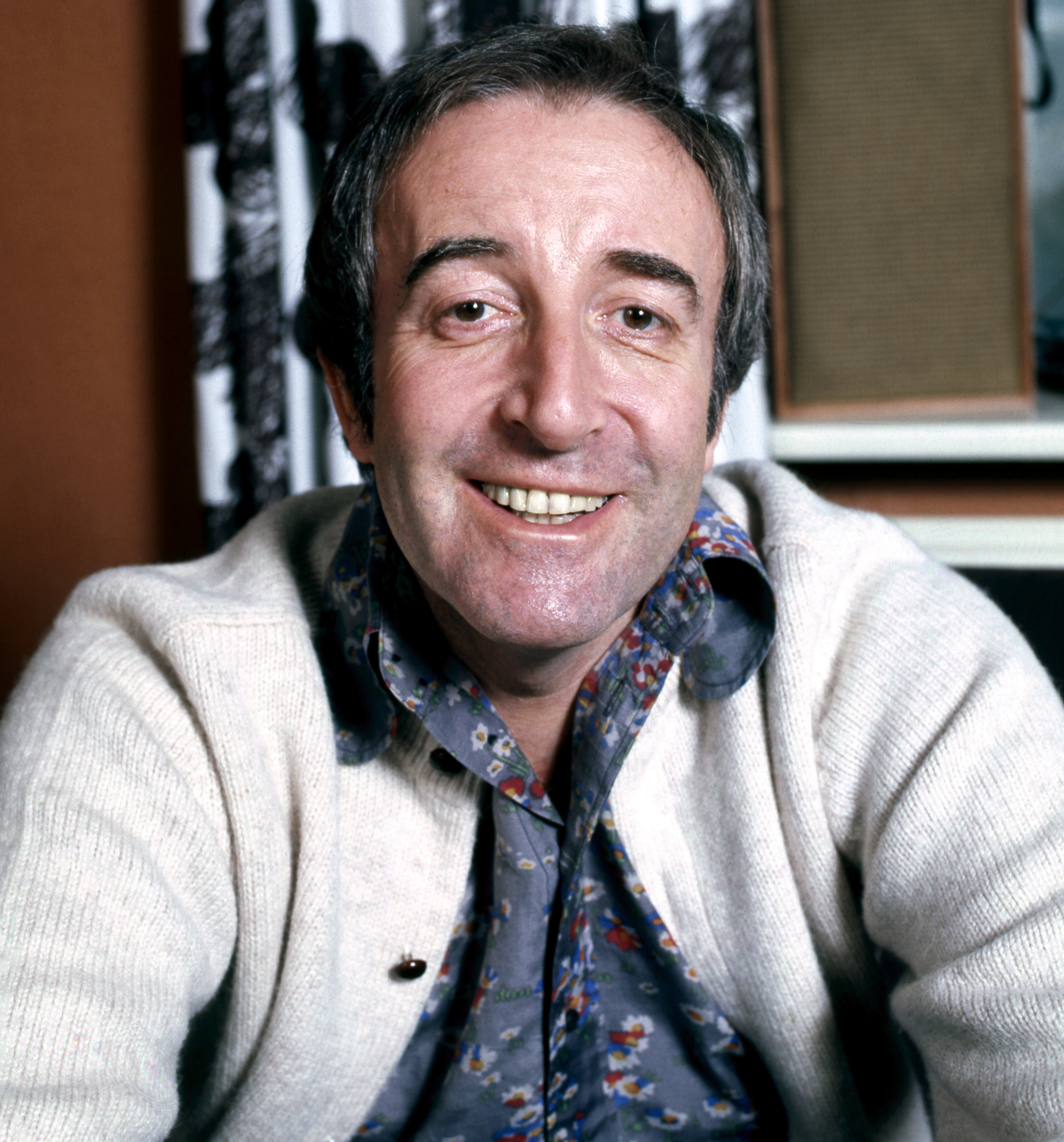
This blue plaque commemorates Sir Harry Secombe CBE, an entertainer celebrated for his work as a comedian and singer, born in 1921 and passing away in 2001. His career was marked by significant contributions to both radio and music, establishing him as a well-known figure in British entertainment. He rose to prominence as one of the stars of The Goon Show, a pioneering radio comedy series that captivated audiences during the 1950s and beyond, influencing a generation of comedians. His vocal talents also earned him acclaim, leading to a distinguished career in music.
The memorial dates from an era when radio comedy was a central part of British culture, with programmes like The Goon Show providing widespread entertainment after the Second World War. This period fostered the development of comedic talent, and Secombe, alongside figures like Peter Sellers, contributed to a distinctive style of humour that resonated deeply with the public. The tradition of commemorating significant figures in the arts with blue plaques reflects a broader societal recognition of their cultural impact and enduring legacy. Such plaques mark locations associated with their lives or careers, ensuring their memory is preserved and acknowledged.
The blue plaque dedicated to Sir Harry Secombe CBE is located in front of the Opera House in Manchester. This venue is situated on Quay Street in the city centre. Visitors can view the plaque on the exterior of the building, which is easily accessible. The Opera House is a prominent landmark, and members of the public are encouraged to approach the plaque with respect, taking care not to disturb the theatre's ongoing operations or other visitors.
Inscription
“Sir Harry Secombe CBE 1921-2001 Goon, comedian and singer”
Background
Peter Sellers (born Richard Henry Sellers; 8 September 1925 – 24 July 1980) was an English actor and comedian. He first came to prominence with his performances on the BBC Radio comedy series The Goon Show. Sellers was featured on a number of hit comic songs and became internationally acclaimed for his film roles, most notably as Chief Inspector Clouseau in The Pink Panther series. Sellers made his stage debut at the Kings Theatre, Southsea, as an infant, and began accompanying his parents in a touring variety act. He worked as a drummer and toured around England as a member of the Entertainments National Service Association (ENSA). He developed his mimicry and improvisational skills during a spell in Ralph Reader's wartime Gang Show entertainment troupe. After the war, Sellers made his radio debut in ShowTime, and eventually became a regular performer on various BBC Radio shows. In 1951, Sellers, along with Spike Milligan, Harry Secombe, and Michael Bentine, began starring in the successful radio series The Goon Show, which ended in 1960. Sellers began his film career during the 1950s. Although the bulk of his work was comedic, often parodying characters of authority such as military officers or policemen, he also performed in other film genres.
Source: Open Plaques. Geographic data via OpenStreetMap.