
plaque · Manchester
The
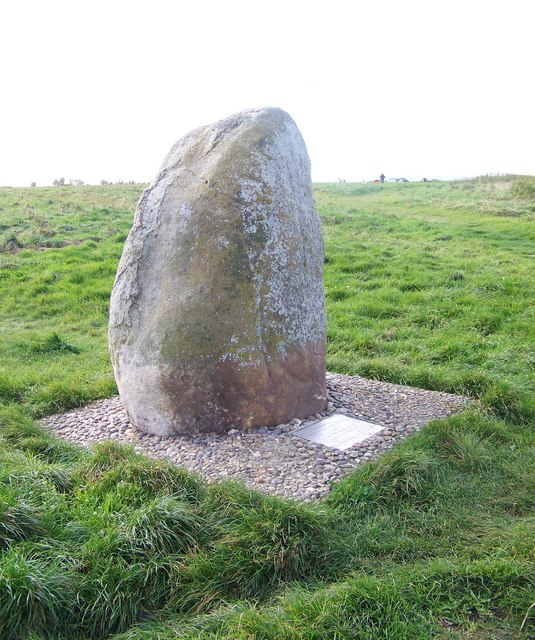
This plaque commemorates the final resting place of approximately 6,000 residents from Newton Heath. These individuals were interred here over a 90-year period, from 1860 until 1950. The memorial serves as a quiet acknowledgment of the lives of a significant portion of the local community during that era, offering a focal point for remembrance and reflection on the area's history. It quietly testifies to generations of the community who lived and died in Newton Heath, contributing to its fabric and development over nearly a century.
The plaque stands within a local civic tradition of commemorating communal burial grounds, often marking sites that were once active but are now perhaps less discernible as such. While the specific individuals interred here lived through, and perhaps contributed to, significant national changes, the plaque itself speaks to a local history. It reflects the ongoing practice of marking grounds of historical significance for a community, ensuring that the memory of past residents is preserved, even as the landscape around these sites evolves over time. These memorials provide a tangible link to the past, reminding current residents of the continuity of life in their area.
The plaque is situated at the junction of Seabrook Road and Orford Road in Newton Heath, Manchester. Visitors will find it in a public space, accessible for quiet contemplation. The location suggests a respectful setting for remembrance, allowing individuals to visit and reflect on the thousands of lives acknowledged by the plaque. It is freely accessible, and while there are no formal visiting hours, respectful conduct appropriate for a memorial site is always encouraged.
The Battle of Edington or Battle of Ethandun was fought in May 878 between the West Saxon army of King Alfred the Great and the Great Heathen Army led by the Danish warlord Guthrum. The battle took place near Edington in Wiltshire, where Alfred secured a decisive victory that halted the Viking advance into Wessex. The engagement followed a period of sustained Danish incursions into Anglo-Saxon territory. In early 878, Guthrum launched a surprise attack on Chippenham, forcing Alfred into hiding in the marshes of Athelney. After rallying local forces, Alfred confronted and defeated Guthrum at Edington, then laid siege to the Viking position, compelling their surrender. Following the battle, Guthrum agreed to terms that included his baptism, withdrawal to East Anglia, and the establishment of peace through the Treaty of Wedmore. The outcome preserved Wessex as an independent kingdom and marked a turning point in the Viking wars, laying foundations for the eventual unification of England.
Source: Open Plaques. Geographic data via OpenStreetMap.