
plaque · Manchester
Manchester Poor House
This plaque commemorates the site of the former Manchester Poor House, which operated in the city from 1764 to 1792. It serves as a reminder of the historical provisions for the city's less fortunate inhabitants during the late 18th century. By marking this location, the plaque acknowledges a significant social institution from Manchester's past, reflecting on a time when civic bodies provided essential relief to those in need. The establishment of such a facility underscored the community's early efforts to address poverty and welfare within the burgeoning urban landscape of Manchester.
The plaque dates from an era of growing social awareness and philanthropic efforts in British cities. During the 18th century, as industrialisation began to reshape urban centres like Manchester, the need for formal systems of poor relief became increasingly apparent. Poor houses, also known as workhouses, were established across the country under various local acts and the Poor Laws, providing shelter, food, and often work for the destitute. These institutions were a common feature of British society, reflecting both charitable impulses and a desire to manage social welfare through organised means. Their presence speaks to the challenges and evolving solutions for poverty in a rapidly changing period.
The plaque is situated at Spinningfield, Deansgate, in Manchester. It marks a historical location in what is now a vibrant part of the city. Visitors can find it in the area where Cumberland Street once stood, adjacent to the modern Deansgate thoroughfare. This historical marker stands as a modest acknowledgement of the site's previous incarnation, offering a small piece of local heritage within a busy urban environment. It can be viewed respectfully by those interested in Manchester's past and its social history.
Inscription
“From 1764 to 1792 there stood on this site in Cumberland St. the Manchester Poor House. The building later became 'The Duke of Cumberland' tavern from (1819 - 1901).”
Background
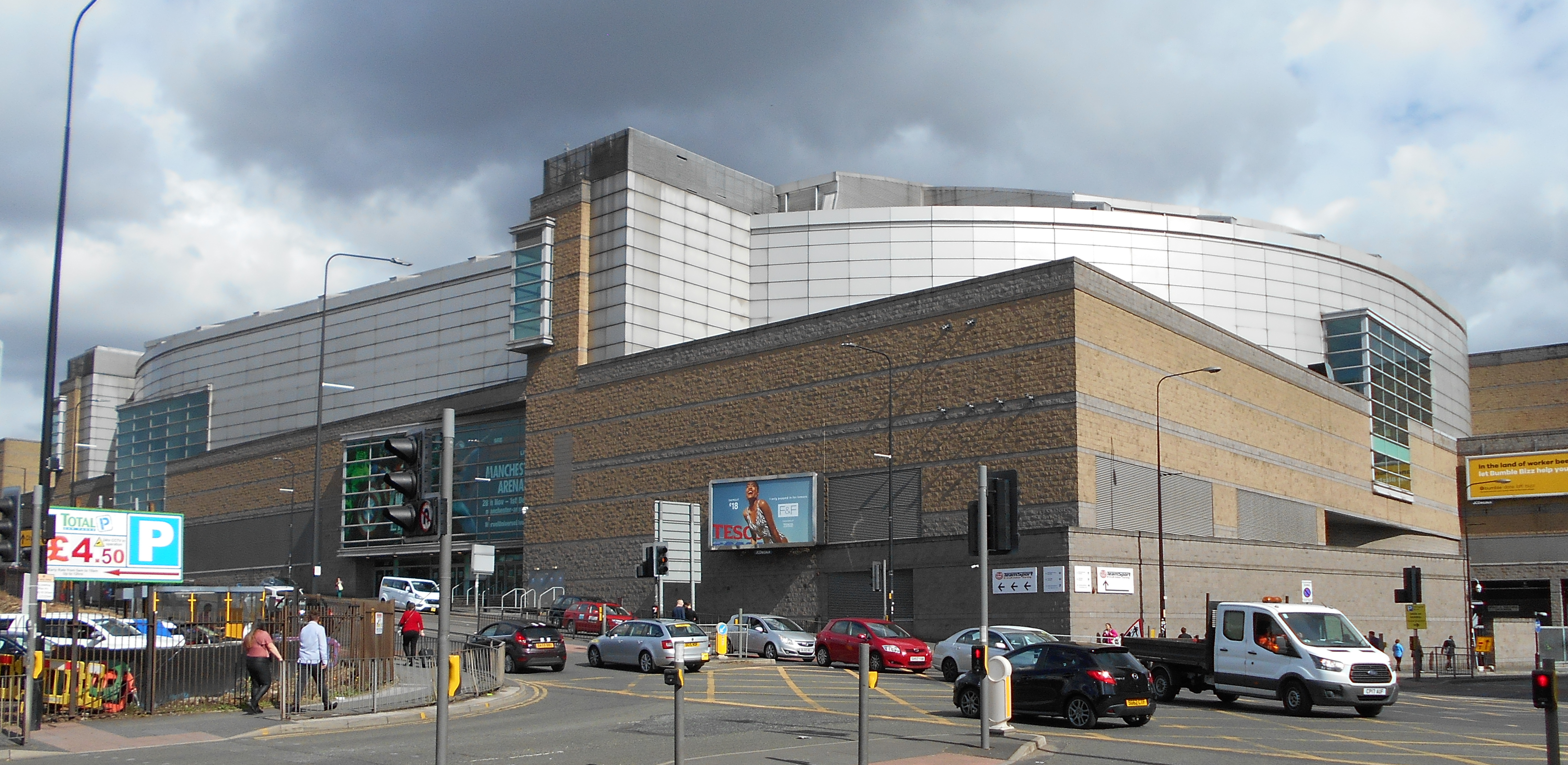
A devastating attack occurred at Manchester Arena on 22 May 2017 following a concert. The incident, a suicide bombing, resulted in the tragic loss of twenty-two lives and left over a thousand people injured. This event marked a significant moment in the United Kingdom.
In the aftermath, a benefit concert was held, bringing together individuals to raise funds for those affected. A public inquiry later examined the circumstances surrounding the attack, and significant legal proceedings followed for those involved in aiding the perpetrator. The bombing also led to a rise in hate crimes in the region and prompted the establishment of a commission aimed at countering extremism.
Original summary by TributeLegacy, informed by public sources.
Source: Open Plaques. Geographic data via OpenStreetMap.