
blue plaque · Manchester
Charles Robert Cockerell RA
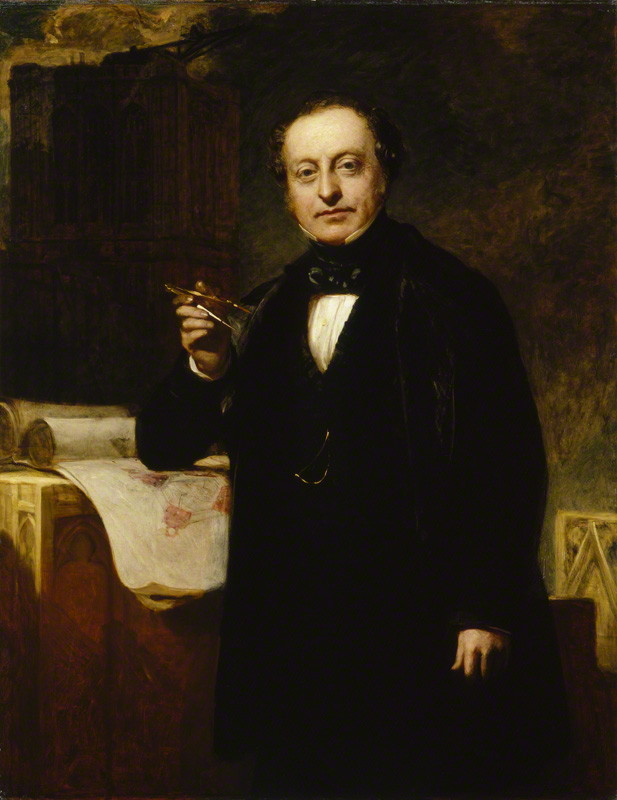
This blue plaque commemorates Charles Robert Cockerell, an eminent architect and archaeologist. It highlights his significant contribution to the urban landscape of Manchester through his design for the former Bank of England building at this location. Cockerell, born in 1788 and passing in 1863, was a prominent figure in British architecture. His work on this particular building firmly established his legacy within the city's architectural heritage, celebrating a period of grand design and civic development. The plaque serves as a permanent reminder of his influence and the architectural styles he championed.
The memorial comes from a period of significant urban development in British cities, when architectural styles often drew inspiration from classical and Renaissance traditions. While Sir Charles Barry is famed for popularising Italianate architecture, Cockerell was also a key proponent of such styles, reflecting a broader movement in the mid-19th century to imbue civic and financial buildings with a sense of classical grandeur and stability. This architectural trend aimed to convey authority and permanence through design, fitting for institutions like the Bank of England which occupied buildings of this character across the country.
The blue plaque is affixed to a building on King Street in Manchester, marking the site of the former Bank of England. Visitors can see the plaque on the exterior of the structure, which stands as a testament to Cockerell's architectural vision in a busy city setting. King Street is a central thoroughfare, making the plaque easily accessible to those exploring the city centre. It offers an opportunity to appreciate the historical architecture and urban planning of Manchester while learning about the individuals who shaped its built environment.
Inscription
“From 1845 to 1971 the Bank of England occupied this building designed by Charles Robert Cockerell R.A. 1788 - 1863 architect and archaeologist”
Background
Sir Charles Barry, an influential English architect, is widely remembered for his significant role in the reconstruction of the Palace of Westminster in London. This monumental task during the mid-19th century defined much of his career. Beyond this iconic project, Barry's influence extended to numerous other buildings and garden designs across Britain.
He made a notable contribution to the adoption of Italianate architecture, frequently drawing inspiration from the Italian Palazzo style for his designs of grand country houses, city residences, and public structures. Barry also pioneered the Italian Renaissance garden style, shaping the outdoor spaces surrounding many of the notable houses he worked on.
Original summary by TributeLegacy, informed by public sources.
Source: Open Plaques. Geographic data via OpenStreetMap.