
blue plaque · London
William Wilkie Collins
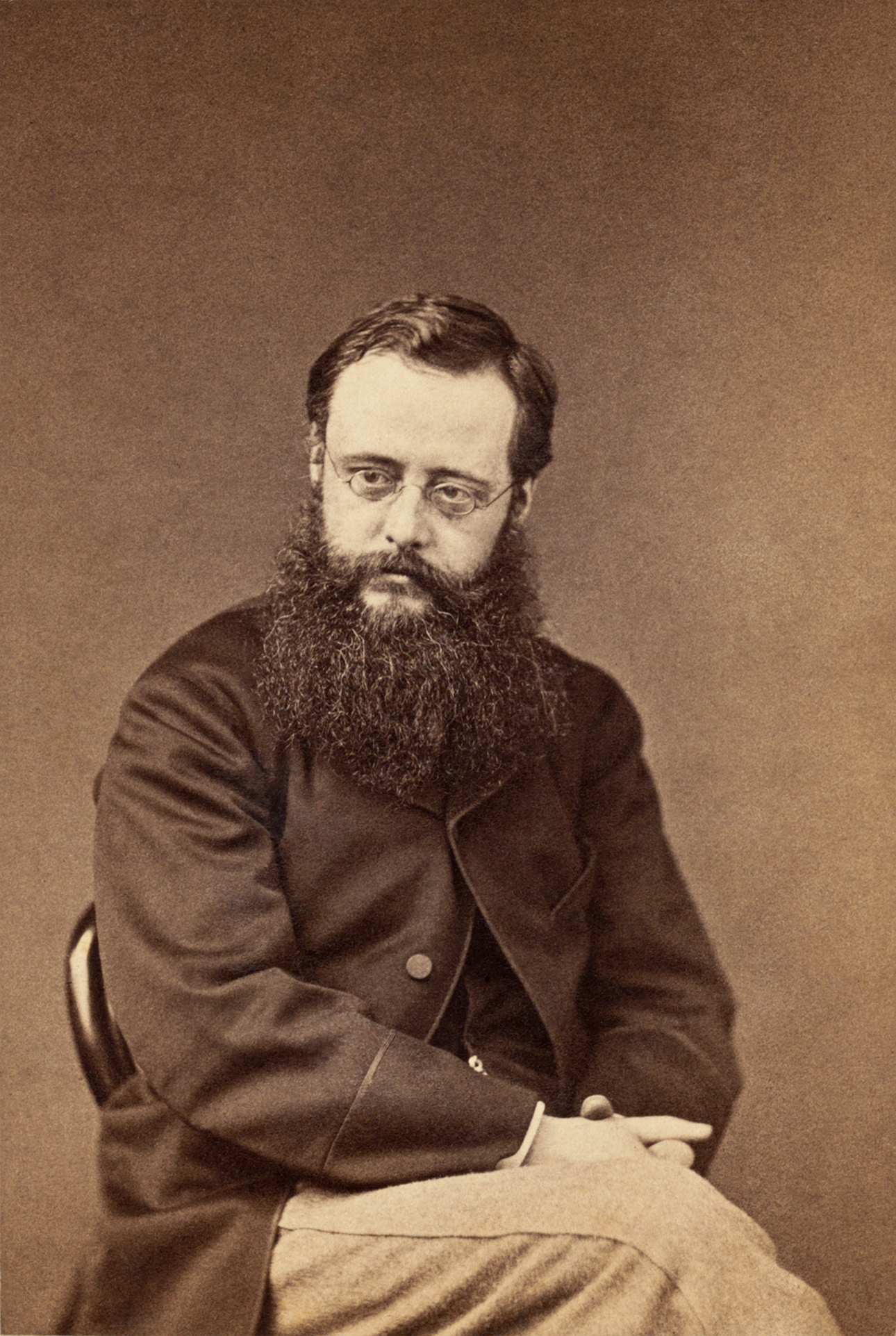
This plaque commemorates William Wilkie Collins, a significant English novelist and playwright, who resided at this address. Born in London in 1824, Collins is best known for his pioneering works of sensation and detective fiction, which include "The Woman in White" (1860) and "The Moonstone" (1868). These novels were instrumental in establishing foundational elements of the modern detective genre. His literary career also saw him collaborate with Charles Dickens, featuring his work in popular journals of the time. Collins garnered international recognition and financial success through his writing during the 1860s, despite later struggles with health and addiction.
The memorial to Wilkie Collins dates from a period when public recognition for literary figures began to take the form of dedicated plaques on their former residences, a tradition that grew in significance throughout the 19th and 20th centuries. Collins himself was part of a vibrant Victorian literary scene, closely associated with eminent figures like Charles Dickens, who served as a mentor. His innovative approach to storytelling, particularly in developing the mystery and detective genres, mirrored the era's fascination with intricate plots and psychological depth. This cultural context highlights a growing appreciation for authors whose creative contributions shaped popular literature and reflected societal interests.
The memorial for William Wilkie Collins is a blue plaque situated at 65 Gloucester Place in Westminster, London, W1. Visitors will find the plaque affixed to the exterior of the building, marking the former residence of the distinguished novelist. This location is within a residential area of London, easily accessible within the city. Visitors are encouraged to observe the plaque respectfully, as it is located on a private dwelling within a public street.
Inscription
“William Wilkie Collins 1824-1889 novelist lived here”
Background
William Wilkie Collins was a significant English writer, celebrated for his pioneering novels that shaped the mystery and detective genres. His 1860 work, The Woman in White, is remembered as an early example of the sensation novel, while The Moonstone of 1868 laid down many conventions for modern detective fiction and is considered an early police procedural. Born in London in 1824, he spent time in Italy and France during his youth, acquiring fluency in both languages.
After beginning his career as a tea merchant and publishing his first novel, Collins developed a close friendship and professional connection with Charles Dickens. His writings frequently featured in Dickens' publications, and they also collaborated on creative projects. By the 1860s, Collins had achieved considerable financial success and a global readership. Later in life, his health suffered due to opium use for gout, impacting his creative output.
Original summary by TributeLegacy, informed by public sources.
Source: Open Plaques. Geographic data via OpenStreetMap.