
blue plaque · London
Charles Dickens
This blue plaque commemorates the renowned English novelist Charles Dickens, a towering figure in literature. It marks a place where he resided, providing a tangible link to his early life and career. Dickens is celebrated for his vibrant characters, intricate plots, and powerful social commentary, which continue to resonate with readers worldwide. His works, such as "Oliver Twist," "A Christmas Carol," and "Great Expectations," remain cornerstones of English literature, offering profound insights into Victorian society and the human condition. The plaque serves as a reminder of his enduring legacy and the profound impact he had on the literary landscape.
Charles Dickens lived during the 19th century, an era of significant social change and industrial expansion in Britain. His writing frequently explored themes of poverty, social injustice, and urban life, offering a critical lens on Victorian society. The blue plaque scheme, under which this memorial falls, is a historical marker program in England that links notable figures of the past with the buildings where they lived or worked. This tradition of public recognition helps to preserve the cultural heritage of the nation, allowing present and future generations to connect with the lives of influential individuals like Dickens and the historical contexts they inhabited.
The blue plaque dedicated to Charles Dickens is located at 92 North Road, N6. Visitors can view the plaque on the exterior of the building, which signifies a place of residence for the author in 1832. The immediate area around the address is residential, offering a quiet street for reflection. As a public display, the plaque is accessible at any time, allowing for respectful observation of this historical marker in a well-established London neighbourhood.
Inscription
“CHARLES DICKENS 1812-1870 Author Stayed here in 1832”
Background
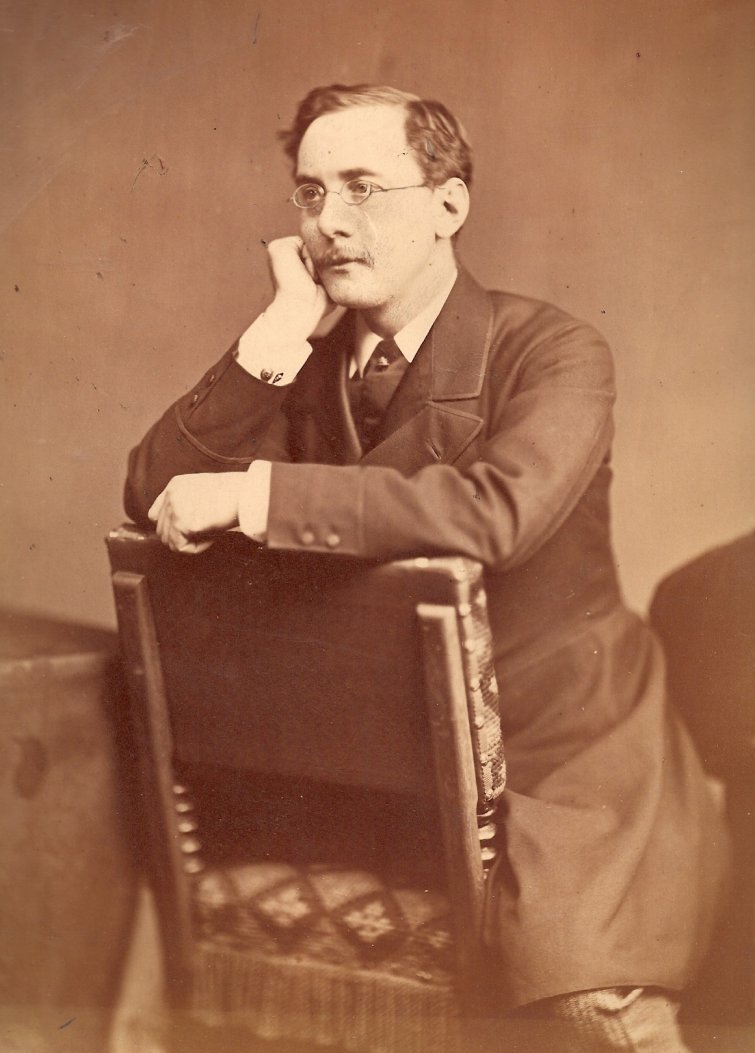
Charles Dickens Jr. is remembered today for his detailed guides to London and the Thames, published in 1879. These works offer a valuable glimpse into the late Victorian era.
Born in 1837, he was the eldest son of the renowned author Charles Dickens. After pursuing business ventures, Charles Jr. ultimately followed a literary path, taking on the editorship of his father's publication, All the Year Round, and contributing as a dictionary writer.
Original summary by TributeLegacy, informed by public sources.
Source: Open Plaques. Geographic data via OpenStreetMap.