
blue plaque · Liverpool
John Lennon
This blue plaque commemorates the early life of John Lennon, the Liverpudlian musician famed for his role in The Beatles. The plaque marks a place where he reportedly sought solitude and personal space during his boyhood. It highlights a personal aspect of his formative years in Liverpool, connecting the internationally recognised figure to a specific, more intimate location associated with his upbringing.
The memorial for John Lennon can be understood within the broader tradition of commemorating significant cultural figures in their hometowns. While the general context of Liverpool John Lennon Airport touches upon its operation during World War II, this plaque specifically focuses on the musician's childhood. It reflects an ongoing appreciation for individuals whose lives have had a profound impact, particularly those with strong local ties to significant global influence.
The memorial is a blue plaque situated at 6 Beaconsfield Road in Liverpool. Visitors can see the plaque at this address, reflecting on its connection to John Lennon's formative years. It offers a quiet point of reflection for those interested in the artist's personal history and his relationship with the city of Liverpool, away from more public or grand commemorations.
Inscription
“John would climb into the grounds here as a boy to seek peace and refuge. We hope you find what you seek, too.”
Background
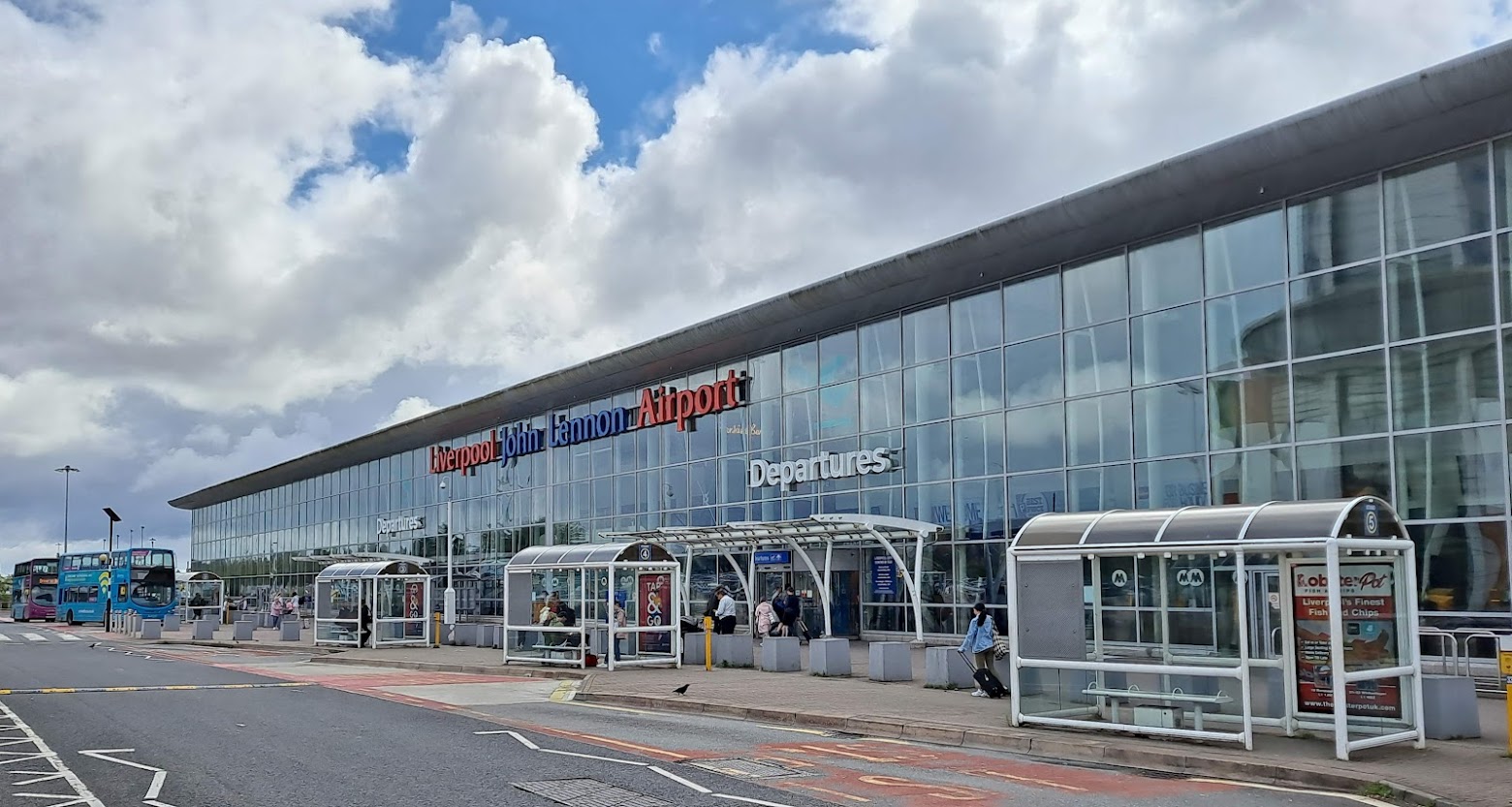
Liverpool John Lennon Airport stands today as a significant hub for travel, connecting the region with destinations across Europe, North Africa, and the Middle East. The airport's location on the Mersey estuary, just south-east of the city centre, provides a strategic gateway for both domestic and international journeys.
Originally known as Speke Airport and even serving as RAF Speke during World War II, it has undergone considerable transformation. The renaming in 2001 to honour Liverpudlian music icon John Lennon marked a new chapter for the airport, reflecting its deep connection to the city's cultural heritage. This transformation is also evident in its passenger numbers, which saw a substantial rise of over five million between 1997 and 2007.
Original summary by TributeLegacy, informed by public sources.
Source: Open Plaques. Geographic data via OpenStreetMap.