
WAR MEMORIALwar memorial · England
War Memorial
Click to remember them. Lest we forget.

A war memorial stands as a lasting tribute, commemorating individuals who died or were injured during conflict. While historical precedents exist for celebrating victories, the modern understanding of these structures primarily focuses on remembrance and honouring those affected by war. These significant landmarks can take many forms, including statues, monuments, or entire buildings, each designed to evoke reflection and ensure the sacrifices made are not forgotten. They serve as focal points for communities to gather, reflect, and pay respects to those who gave their lives or suffered injuries in the service of their nation.
The tradition of erecting war memorials gained significant momentum in the aftermath of major global conflicts, particularly from the 20th century onwards. These monuments became central to civic remembrance, providing tangible sites for communities to process grief and honour shared sacrifice. They are often found in prominent public spaces, such as town squares, churchyards, or parks, making them accessible gathering points for annual commemorations. This widespread practice reflects a collective societal need to acknowledge and perpetually remember the profound human cost of warfare, integrating these structures deeply into the fabric of local and national heritage.
This war memorial is located prominently within England, serving as a public site of remembrance. Visitors will encounter a structure dedicated to honouring individuals affected by war. When visiting, it is appropriate to approach with respect and solemnity, recognising the memorial's purpose as a place of quiet contemplation and remembrance. The site is generally accessible, allowing for personal reflection or participation in organised commemorative events. Observe any local guidelines or decorum to ensure the dignity of the memorial is maintained during your visit.
Photographs


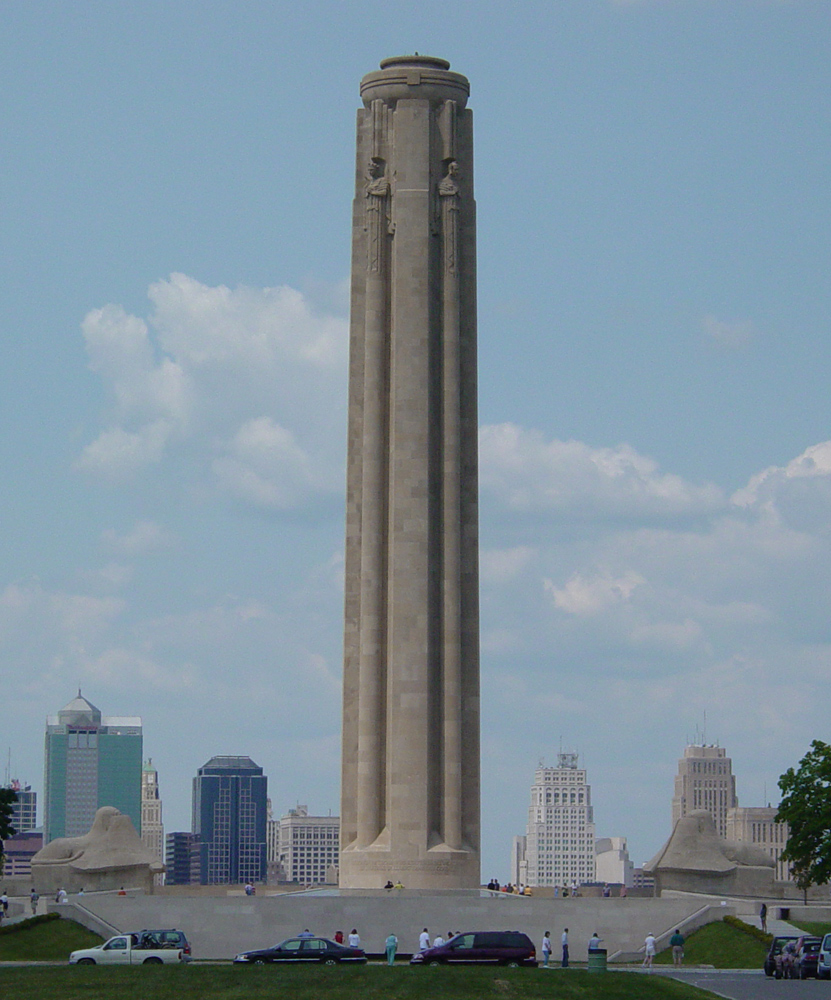
Images via Wikimedia Commons - click to view licensing & full resolution.
Source: OpenStreetMap. Geographic data via OpenStreetMap.