grey plaque · England
Gilbert Wakefield
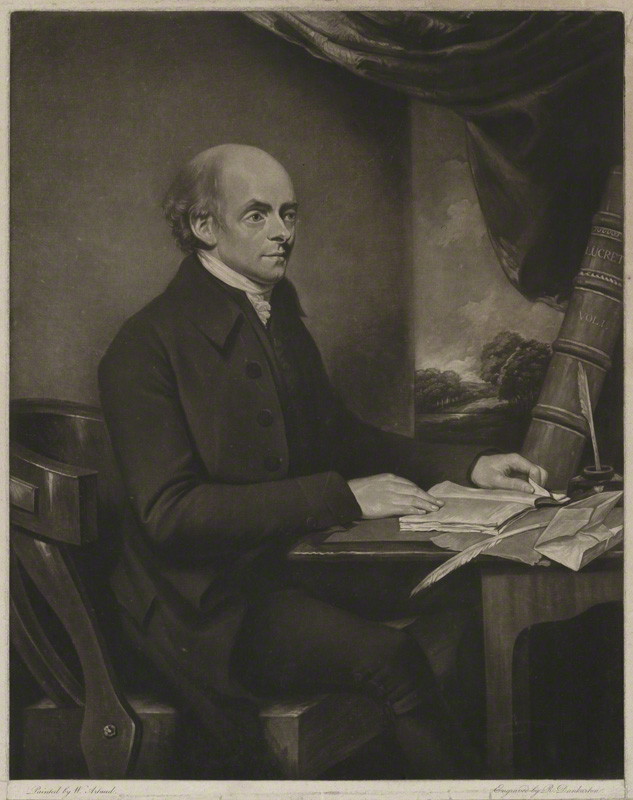
This grey plaque commemorates Gilbert Wakefield, a distinguished English scholar and controversialist born in 1756. Wakefield's intellectual journey saw him transition from a clerical and academic career to becoming a tutor at dissenting academies, and ultimately, a noted professional writer and publicist. His life was marked by his independent thought and willingness to challenge authority, leading to significant personal consequences. He is remembered for his scholarly contributions and his courage in expressing critical views on government policy during a tumultuous period in history.
The plaque identifies the birthplace of Gilbert Wakefield, reflecting an era when public figures often emerged from established local residences. Wakefield's life spanned a period of profound social and political change, including the French Revolutionary Wars. His public criticism of government policy during this time led to his imprisonment, highlighting the intense political climate and the risks faced by vocal dissenters in late 18th-century England. This commitment to intellectual and political independence, even in the face of severe repercussions, situates him within a tradition of scholarly activism.
The grey plaque is located at St Nicholas Churchyard, Maid Marion Way, marking the site where the old rectory once stood. Visitors approaching the churchyard can easily find the memorial, which serves as a point of interest within a historic urban setting. The churchyard provides a reflective space for those wishing to learn about Wakefield's origins and connection to the area, inviting contemplation on his significant contributions and challenging experiences.
Inscription
“On this site stood the old rectory in which was born Gilbert Wakefield theologian and scholar Feb 22nd 1756. Died at Hackney, Sep 9th 1801”
Background
Gilbert Wakefield was an English scholar and writer whose life journeyed from the church and academia into the realm of public commentary. He served as a cleric and academic before dedicating himself to tutoring at dissenting institutions and ultimately becoming a professional author and publicist. His outspoken views led to a notable state trial. For publishing a pamphlet that critiqued government actions during the French Revolutionary Wars, he was imprisoned. He passed away not long after his release from incarceration.
Original summary by TributeLegacy, informed by public sources.
Source: Open Plaques. Geographic data via OpenStreetMap.