 TributeLegacy
blue plaque · England
Blue plaque № 10216
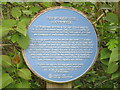
The Workhouse, Southwell This Workhouse survives as the least altered example of its kind in existence today. Built in 1824, it served as one of many prototypes for the New Poor Law of 1834 that saw thousands of workhouses built across the country. The moving spirit behind the project was Revd. J.T. Becher (1769-1848), a noted social reformer. He set out his ideas and strategy to manage the poor in a pamphlet called the Anti-Pauper System. Becher's system was an economic measure (to reduce tax) and a moral crusade (to teach the poor to ask for help only as a last resort.) The help offered was accommodation in the dreaded workhouse, where discipline was exacting, living standards basic and supervision constant. Paupers were divided into men, women, children, vagrants and the sick. Visitors can explore the segregated work yards, dayrooms, dormitories, Master's quarters and cellars and learn about life in The Workhouse.
Inscription drawn from imported open data, awaiting original TributeLegacy editorial.
Source: Open Plaques. Geographic data via OpenStreetMap.