
Tomb · Delhi
Tomb of Mohammad Quli Khan
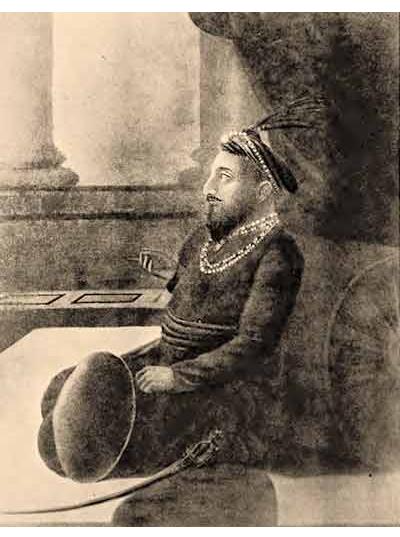
The Tomb of Mohammad Quli Khan stands as a memorial to a figure of historical significance. While the provided details primarily focus on Murshid Quli Khan, who was also known as Mohammad Hadi and initially named Suryanarayana Mishra, it is important to note that the memorial itself is attributed to Mohammad Quli Khan. Murshid Quli Khan served as the Nawab of Bengal from 1717 to 1727, a period during which he implemented notable administrative changes. Born around 1660, he was a pivotal personality in the Mughal era.
This tomb, located in Delhi, dates from a period when the Mughal Empire held sway over much of the Indian subcontinent. The early 18th century was a time of significant administrative and political shifts. Figures like Murshid Quli Khan, who transitioned from being a divan to the Nawab Nazim of Murshidabad, played crucial roles in shaping regional governance. His tenure in Bengal saw the alteration of the land management system, moving from the jagirdari to the mal jasmani, which later evolved into the zamindari system. This period was characterised by a complex interplay of local rulers and the broader imperial structure, with revenues still being sent to the Mughal Empire.
The Tomb of Mohammad Quli Khan is situated in Mehrauli, New Delhi. As a tomb, it is a historical structure designed for remembrance and quiet contemplation. Visitors can approach the site respectfully, mindful of its historical importance. The surrounding area of Mehrauli is known for its rich collection of ancient monuments and tombs, offering a broader context for exploring the region's heritage. Details about specific access or opening times would typically be available locally for visitors planning to explore this historical site.
Murshid Quli Khan held a significant position as the first Nawab of Bengal, governing the region from 1717 until 1727. His early life is recorded as having begun as Suryanarayana Mishra on the Deccan Plateau. He entered Mughal service and was eventually sent to Bengal around 1700 to serve as the divan.
His tenure in Bengal was marked by administrative changes, including the transition of the jagirdari land management system to mal jasmani, a precursor to the later zamindari system. Murshid Quli Khan's career involved various appointments and transfers, reflecting the political landscape of the time, before he was ultimately appointed Nawab Nazim of Murshidabad.
Original summary by TributeLegacy, informed by public sources.
Source: OpenStreetMap contributors (ODbL). Geographic data via OpenStreetMap.