
Memorial · Bucharest
Dumitru Theodor Neculuță
d. 1953
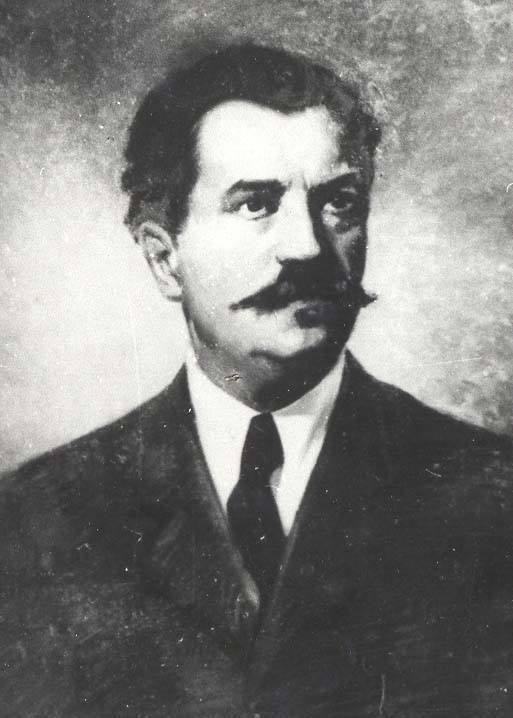
Dumitru Theodor Neculuță (also known as Neculiță and Dumitru a Ciubotăriții; October 3 [O.S. September 20] 1859 – October 17, 1904) was a Romanian poet, socialist activist, and artisan shoemaker. Born to a poor family in Western Moldavia, he was not allowed to pursue his passion for music, and worked from an early age. These circumstances instilled him with a desire to combat the established social order of the Romanian Kingdom, driving him into left-wing politics. His interest in music was replaced with a poetic calling: stylistically, Neculuță followed a tradition upheld by Mihai Eminescu and George Coșbuc, which he infused with the tenets of Marxism and his own experience of acute poverty. He wrote for many decades, but was only published from 1894. In parallel, he established his profile as a "poet-activist" for the Social Democratic Workers' Party and its more radically progressive faction, spending his final years as a co-chair of the România Muncitoare in Bucharest. After his unexpected death at age 45, Neculuță enjoyed a cult following in socialist culture in both the Romanian Kingdom and neighboring Austria-Hungary. He had shared inspiration and themes with George Bacovia, and was a direct influence on Mihail Cruceanu and Cristian Sârbu. During the interwar, he was celebrated by the legal Social Democrats and Socialist Laborites, as well as by the underground Romanian Communist Party; his cultivation sometimes drew suspicion from Romania's right-wing governments. Public gatherings were held at his commemoration date in October, including one in 1924, which ended with a roundup by Romanian Police.
Source: OpenStreetMap contributors (ODbL). Geographic data via OpenStreetMap.