Memorial · Brussels
1918
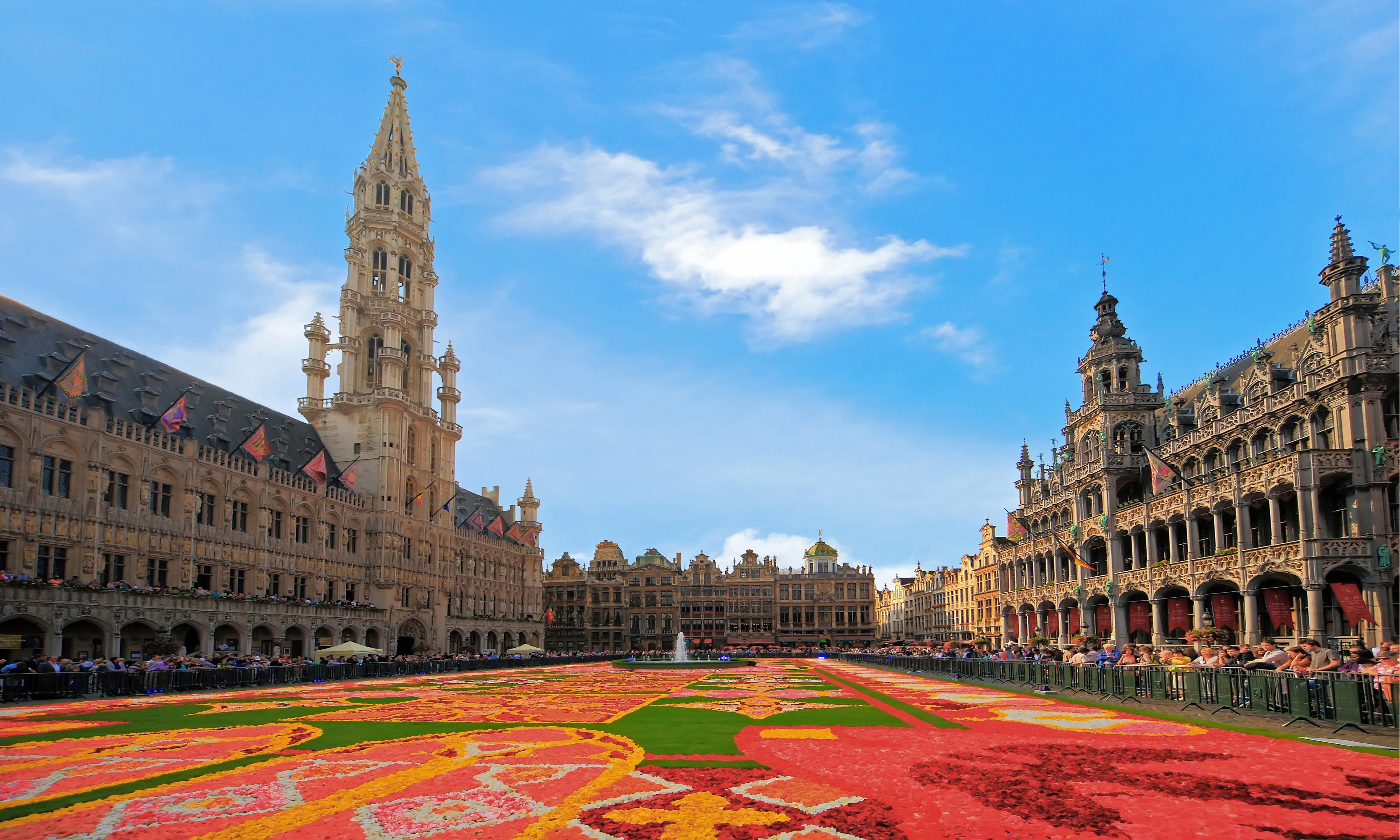
Brussels, the heart of Belgium, is a significant urban centre comprising nineteen distinct municipalities. This lively region, situated centrally within the country, has evolved from its origins as a settlement by the river Senne into a major European hub. Its influence extends across both the French and Flemish communities, forming a unique enclave.
Since 1945, Brussels has become a focal point for worldwide affairs, hosting many international organisations and attracting a diverse community of professionals. It is recognised as the de facto European Union capital, housing key EU bodies. The city also serves as the headquarters for NATO and the Benelux secretariat, solidifying its role as a vital centre for international politics and diplomacy.
Original summary by TributeLegacy, informed by public sources.
Source: OpenStreetMap contributors (ODbL). Geographic data via OpenStreetMap.