
WAR MEMORIALwar memorial · Bristol
Alveston War Memorial
Click to remember them. Lest we forget.

The Alveston War Memorial stands as a lasting tribute to the individuals from the area who lost their lives during the two major global conflicts of the 20th century. This memorial specifically commemorates 'the men who fell' in both the Great War, which took place from 1914 to 1918, and the subsequent World War, spanning the years 1939 to 1945. Its presence ensures that their sacrifice is remembered, reflecting a community's enduring respect for those who served. The memorial serves as a focal point for remembrance, honouring their memory and the ultimate price paid.
This memorial dates from a period when communities across the United Kingdom sought to commemorate the widespread human cost of global conflicts. The Great War, occurring between 1914 and 1918, was a devastating global conflict that reshaped the world, claiming millions of lives and introducing new forms of warfare. Following this, the Second World War, from 1939 to 1945, once again drew nations into a devastating global conflict, resulting in an even greater loss of life, including a significant number of civilians. The creation of such memorials became a common and significant way for local areas to acknowledge the profound impact of these events on their residents.
The Alveston War Memorial is a distinct Celtic cross, featuring carved knotwork detailing on its arms and shaft. The shaft tapers and has a square section, seated within a plinth that also tapers and has a moulded top. This plinth rests upon a shallow base. An inset inscription is present on the plinth. The OpenStreetMap data indicates this is a historic memorial, specifically a war memorial.
Inscription
“TO / THE GLORY OF GOD / AND IN MEMORY OF / THE MEN WHO FELL IN THE / GREAT WAR 1914-1918. / AND 1939-1945 / THEIR NAME LIVETH FOR EVERMORE.”
Background
TO / THE GLORY OF GOD / AND IN MEMORY OF / THE MEN WHO FELL IN THE / GREAT WAR 1914-1918. / AND 1939-1945 / THEIR NAME LIVETH FOR EVERMORE. — the memorial takes the form of a Celtic cross, with carved knot work in panels to the arms and shaft. The tapering, square-section shaft is set into a tapering plinth with a moulded top, which sits upon a shallow base. The plinth carries inset inscription
Original summary by TributeLegacy, informed by public sources.
Photographs

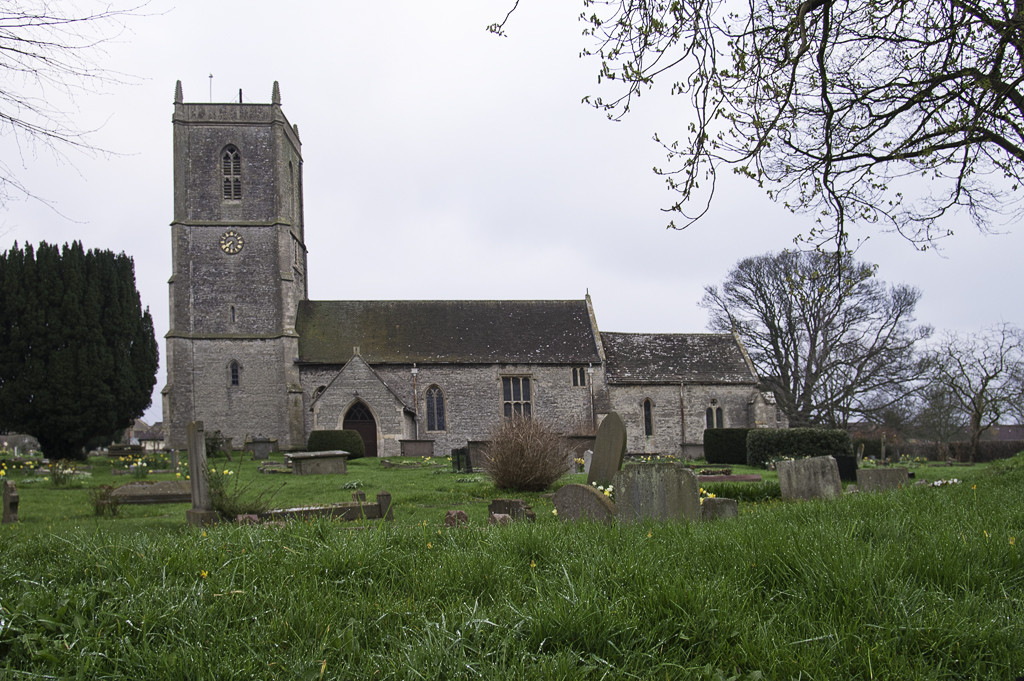


Images via Wikimedia Commons - click to view licensing & full resolution.
Source: OpenStreetMap. Geographic data via OpenStreetMap.