
Memorial · Beirut
Statue Sainte-Marie
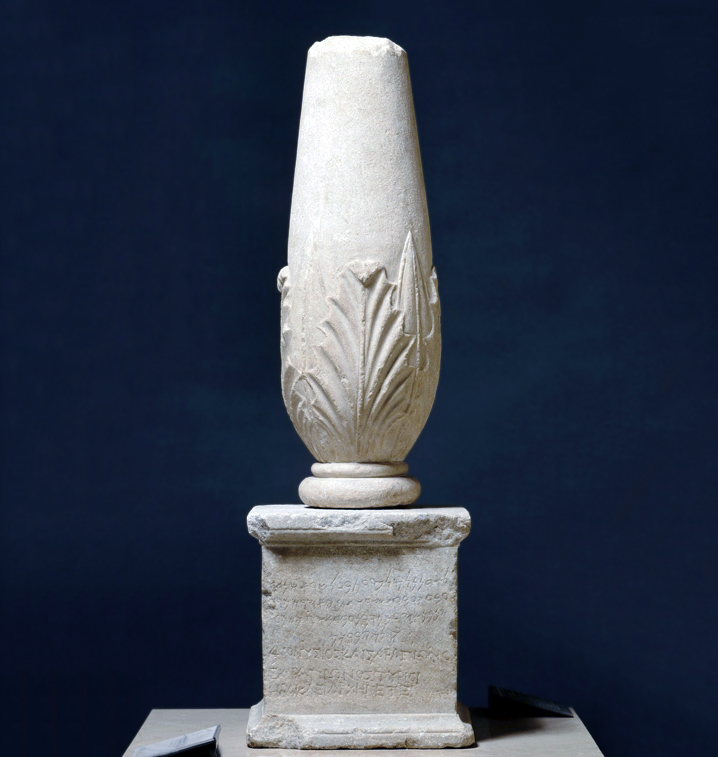
The memorial known as the Statue Sainte-Marie commemorates an ancient tradition of Phoenician religious artifacts. These objects, often referred to as "Thrones of Astarte," are ex-voto items found predominantly in religious sites across Lebanon. Dating back to ancient times, these thrones are notable for their distinct styling, frequently featuring winged lions with cherubim heads guarding each side. While a specific individual is not commemorated, the statue represents a significant archaeological and religious practice from the region's past.
This memorial stands amidst the ongoing archaeological discoveries that shed light on ancient Phoenician civilisation. The tradition of creating and dedicating ex-voto thrones was widespread, with examples found not only within Lebanon but also at various Phoenician settlements across the Mediterranean. These include locations as far afield as Israel, Tunisia, and Italy, indicating the extensive cultural and religious influence of the Phoenicians. The discovery of inscriptions on some of these thrones has provided invaluable insights for modern scholars studying this ancient practice.
This memorial is situated in Beirut. While specific access details for this particular statue are not readily available, visitors to Beirut can explore its rich historical landscape and archaeological sites. Respectful engagement with the site is encouraged, recognising its significance in preserving the memory of ancient Phoenician religious and cultural practices. Information on local travel and opening hours for relevant heritage sites can typically be found via local tourism resources.
-
Source: OpenStreetMap contributors (ODbL). Geographic data via OpenStreetMap.