
Guides
What to do with a loved one's clothes: A gentle guide
Deciding what to do with a loved one's clothes after they've passed can be a deeply personal and often overwhelming task. This guide offers a mindful, unhurried framework to navigate these choices, acknowledging the emotional weight involved.
Last updated
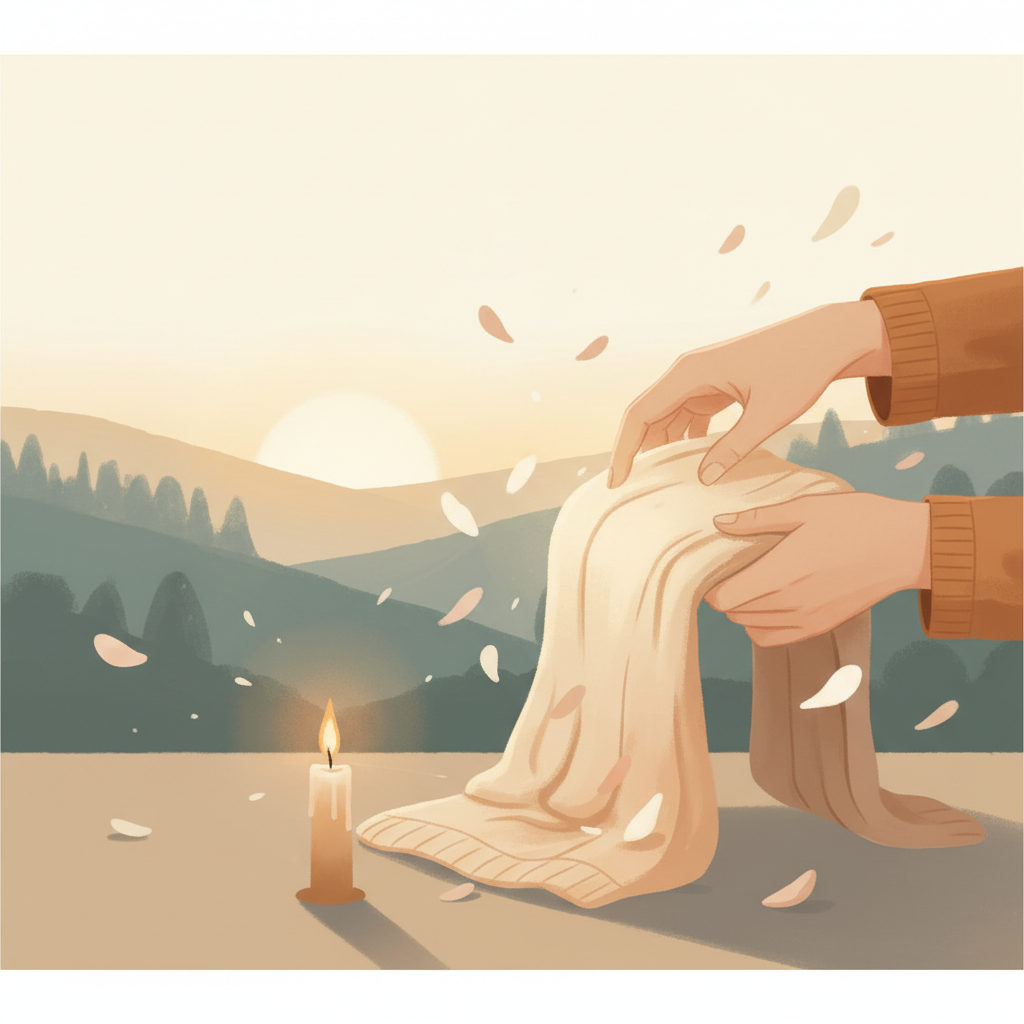
For many, the clothing of someone we've lost holds a powerful connection, imbued with memories, personality, and the very essence of their life. Confronting these items can bring a wave of emotions, from profound sadness to a comforting sense of presence. There is no right or wrong way to approach this, and certainly no timeline. This gentle guide aims to provide a framework, allowing you to move at your own pace, with kindness to yourself.
Why is it so hard to deal with their clothes?
The clothes a person wears daily are intimately tied to their identity. They carry their scent, bear the marks of their routines, and evoke specific memories of moments shared. Seeing their favourite jumper, a familiar hat, or a pair of shoes can transport us back in time, making their absence feel acutely real. This emotional weight means that deciding what to do with these items isn't merely a logistical task; it's an act of remembrance and an integral part of the grieving process. It’s important to acknowledge this depth of feeling and allow yourself the space to feel it.
There's no rush: Give yourself time
One of the most crucial pieces of advice we can offer is: do not feel pressured to make immediate decisions. The period immediately following a loss is often filled with practical arrangements and intense emotions. Adding the burden of sorting through personal belongings can be overwhelming. Some people find comfort in keeping their loved one's room exactly as it was for a while, while others might feel a need to begin clearing sooner. Both are valid. Set aside the clothes for weeks, or even months, if that's what feels right for you. They will be there when you're ready.
Initial steps: A gentle beginning
When you do feel a readiness to approach the task, start small and gently. You might begin by:
- Gathering everything in one place: Consolidate all clothing items from wardrobes, drawers, and laundry baskets. This gives you a clear overview without instantly needing to make decisions.
- Creating a 'sentiment box': Have a designated box where you can place items you know, without question, you want to keep. This might include a favourite scarf, a tie, or a piece of jewellery found among their clothes. These are the items that bring immediate comfort or strong, positive memories.
- Enlisting support (if you wish): If sorting alone feels too difficult, consider asking a trusted friend or family member for support. Their presence can be a quiet comfort, and they can offer practical help, like moving boxes, without necessarily needing to participate in the decision-making.
Sorting with intention: Different categories
Once you're ready to start going through the bulk of the clothes, it can be helpful to create a few distinct categories. Remember to handle each item with care, taking a moment to acknowledge its significance before placing it in a new pile.
1. Items to keep for yourself or close family
These are the pieces that hold particular emotional value. Perhaps it's a dressing gown that still carries their scent, a much-loved shirt that reminds you of them, or an item you always admired. Consider what would bring you comfort and a tangible connection. Some families choose to distribute favourite items among close relatives as special mementos.
2. Items for repurposing or remembrance projects
This category offers a creative way to honour their memory. Consider:
- Memory quilts or cushions: T-shirts, dresses, or shirts can be transformed into beautiful, comforting textile pieces.
- Teddy bears or cushions: Specialist companies can craft these from their clothing, offering a tangible embrace.
- Small pouches or sachets: Made from fabric scraps, these can hold keepsakes or dried flowers, serving as small personal tributes.
- Framing a special piece: A favourite scarf, tie, or even a uniform can be framed as a unique piece of art.
3. Items for donation or helping others
Many clothes will be in good condition but might not hold a strong personal connection for you to keep. Donating these can be a meaningful way for their legacy to continue helping others. Research local charities, homeless shelters, or community organisations that accept clothing donations. This act of giving can bring a sense of purpose and comfort, knowing their items are providing warmth or dignity to someone else.
4. Items for recycling or discarding
Some items may be too worn, damaged, or not suitable for donation. For these, consider textile recycling if available in your area. If not, discarding them carefully is sometimes the practical and necessary choice. There is no shame in letting go of items that have served their purpose.
The ongoing journey: It's okay to change your mind
This process is not linear, and it's perfectly natural to revisit decisions. You might decide to keep something for a while and then feel ready to let it go, or vice-versa. Grief comes in waves, and your needs and feelings will evolve over time. Be kind to yourself throughout this journey.
Taking time to gently sort through a loved one's possessions, like their clothes, is a profound act of remembrance. If you are also considering other ways to honour their memory, creating a tribute page at TributeLegacy can offer a beautiful space to share stories, photos, and ensure their legacy lives on. You can find more comprehensive guidance on other aspects of this time at https://tributelegacy.com/what-to-do-when-someone-dies.
Remember, this is your journey, and you set the pace. There are no deadlines, only the opportunity to navigate this with gentleness and love.

Keep their candle lit.