
Guides
What is a Celebration of Life? Planning a Meaningful Event
A celebration of life is a meaningful event that honours the unique journey and memories of someone who has died, focusing on their joy and impact rather than the sorrow of loss. It offers a warm, personalised alternative or addition to a traditional funeral service.
Last updated
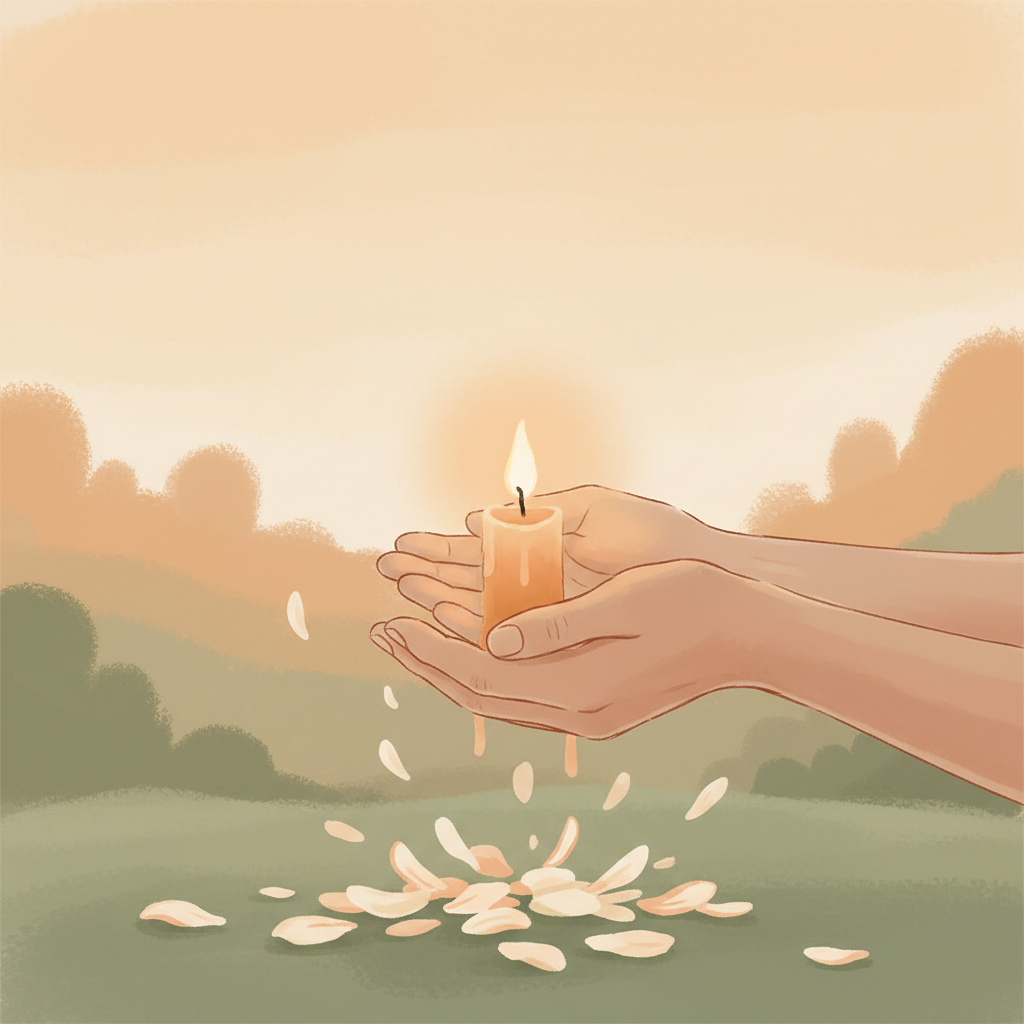
A celebration of life is a gathering focused on commemorating the unique life, passions, and spirit of someone who has died. Unlike a traditional funeral, which often centres on mourning the loss, a celebration of life typically highlights cherished memories, achievements, and the positive impact the person had on others, fostering an atmosphere of remembrance and appreciation.
This approach can provide comfort by shifting the focus from grief to gratitude, allowing those left behind to share stories, laughter, and perhaps even tears, in a way that feels authentic to the individual being celebrated.
How Does it Differ from a Traditional Funeral?
The primary distinction between a celebration of life and a traditional funeral lies in their tone, structure, and timing. While both rituals serve to acknowledge a death and provide a space for grieving, their emphasis differs significantly.
- Focus and Tone: A funeral often follows a more sombre, formal structure, designed to acknowledge the finality of death, offer prayers, and support those in grief. A celebration of life, conversely, aims for a more joyful, reflective, and even uplifting mood, highlighting the person's positive contributions and zest for living.
- Timing: Funerals are typically held shortly after death, often within a few days or a week. Celebrations of life can be held at any time, from weeks to months after the death, allowing families more time to plan and for out-of-town guests to attend. This flexibility can also provide a gentler experience once the initial shock of loss has subsided.
- Location and Format: Funerals are usually held in a spiritual place of worship or a funeral home, adhering to established traditions. Celebrations of life can take place almost anywhere – a favourite park, a restaurant, a community hall, or even their home. The format is also highly adaptable, ranging from informal gatherings to more structured events with speakers and activities.
- Religious Elements: Funerals often incorporate specific religious rites and customs. While a celebration of life can include spiritual elements if desired, they are not a prerequisite and the event is generally less constrained by religious doctrine, making it suitable for those who may not have strong religious affiliations.
Planning a Meaningful Celebration of Life
Creating a celebration of life that truly honours your loved one requires thoughtful planning. The beauty of these events lies in their adaptability and potential for personalisation.
Reflect on Their Life and Loves
Before you start planning logistics, take time to reflect on the person you are honouring. What made them unique? What were their passions, hobbies, and favourite things? Did they have a particular sense of humour, or a cause they deeply cared about?
- Their Story: Consider the narrative of their life. What stories would they want told?
- Their Tastes: What kind of music, food, or atmosphere would they have enjoyed?
- Their Legacy: What impact did they have on the world and the people around them?
This reflection will be your guiding star in shaping an authentic and heartfelt event.
Choose a Suitable Setting
The venue should reflect the personality of your loved one. If they loved the outdoors, a garden or park might be fitting. If they were a keen cook, perhaps a restaurant where their favourite meal can be served. An art gallery, a community centre, or even a cherished spot in nature can all serve as beautiful backdrops.
Personalise the Activities and Programme
This is where a celebration of life truly shines. Consider incorporating elements that remind everyone of the person being honoured:
- Music: Play their favourite songs or music that evokes memories.
- Visuals: Display photographs, videos, or cherished objects that tell their story.
- Readings and Tributes: Invite friends and family to share anecdotes, poems, or short speeches. Encourage people to share personal stories.
- Interactive Elements: Perhaps a memory jar where guests can write down their favourite memories, or a craft station related to their hobbies. If they loved gardening, offer seed packets as a favour.
- Food and Drink: Serve their favourite foods or drinks. A 'toast to their life' can be a powerful moment.
- Charitable Giving: Instead of flowers, you might ask for donations to a cause they supported.
The Role of Guests: Sharing and Connecting
Encourage guests to participate actively, whether through sharing stories, contributing to a memory board, or simply connecting with others who knew and loved the person. A celebration of life is as much for those grieving as it is for the person being remembered, providing a vital space for shared remembrance and mutual support.
For guidance on attending such an event, you might find our insights on funeral etiquette helpful at TributeLegacy on Funeral Etiquette.
Honouring the Individual
Ultimately, a celebration of life is about creating an event that truly echoes the unique essence of the person it honours. It is an opportunity to come together, recall precious moments, and find comfort in the shared knowledge that a life, well-lived, leaves an enduring imprint on the hearts of many. Creating a tribute page can also offer a lasting digital space for these shared memories and stories, enabling people to add to it over time, ensuring their legacy lives on.

Keep their candle lit.