
Guides
Remembering a Child: Honouring Grief into Enduring Love
Losing a child is an experience of profound grief. This guide offers gentle ways to honour their memory and navigate the sorrow with enduring love.
Last updated
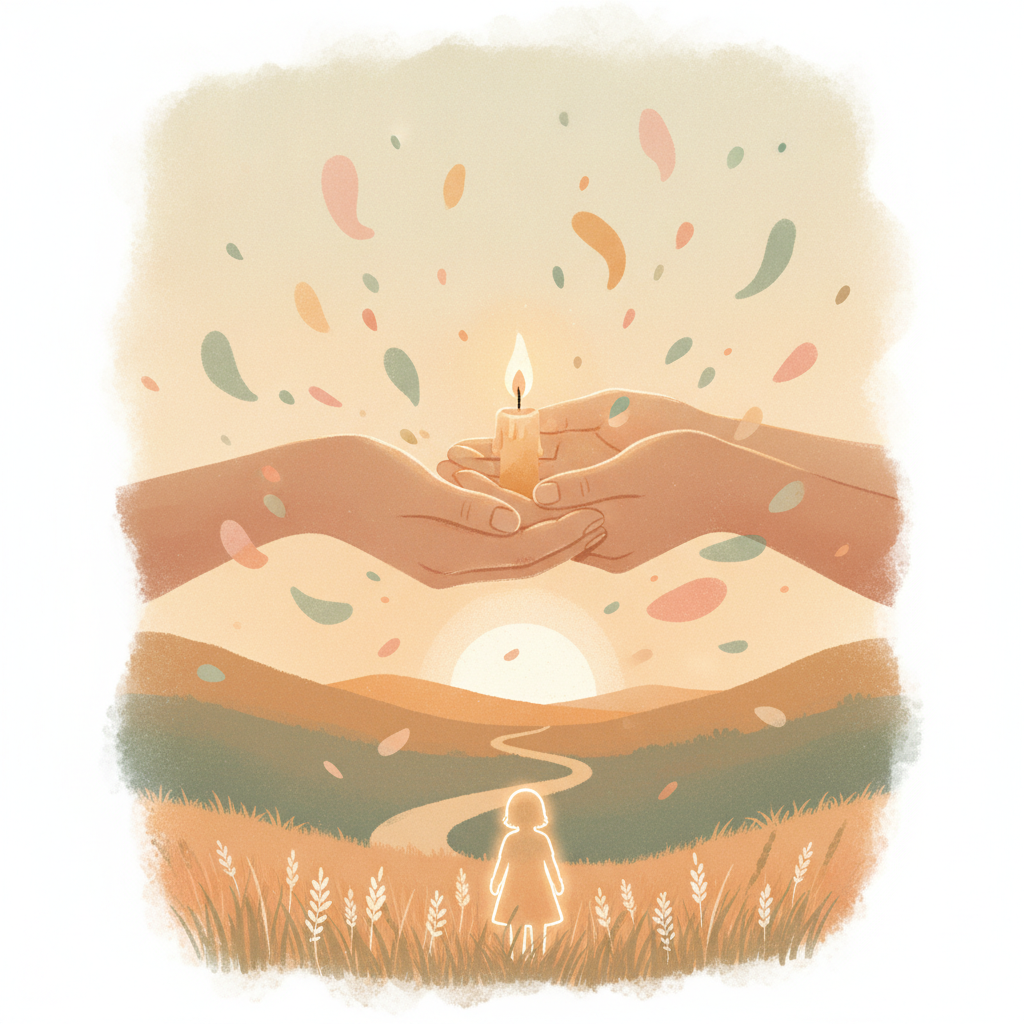
Losing a child, whether a baby, infant, or older child, is an indescribable pain, a grief unlike any other. It shatters the natural order of life and leaves an indelible mark on parents, siblings, grandparents, and all who knew them. While the sorrow will always remain, finding ways to remember and honour their unique life can help you carry your love forward, transforming grief into enduring connection.
Understanding the Uniqueness of This Loss
The death of a child is often referred to as a 'bereavement out of season.' It defies expectations and robs families of a future they envisioned. There is no right or wrong way to grieve, and the journey is deeply personal. Your feelings might range from intense sadness and anger to numbness or profound confusion. All these emotions are valid and form part of your unique process.
Parents often carry specific burdens: the loss of dreams, unanswered questions, and sometimes, a sense of guilt. Siblings may struggle with complex emotions, including confusion, fear, and even jealousy of the attention parents receive. It's important to acknowledge that every member of the family will experience this loss differently, and each experience deserves compassion and understanding.
Creating Tangible Remembrances
Having a physical way to connect with your child's memory can be incredibly comforting. These acts of remembrance allow their presence to remain a part of your daily life, in whatever form feels most true for you.
Memory Boxes or Keepsake Baskets: Collect items that hold special meaning. This could include hospital bands, a lock of hair, their footprint or handprint, a favourite tiny garment, photographs, cards, or even notes you've written to them. Having a dedicated space for these treasures can be a source of solace.
Planting a Tree or Garden Area: A living memorial can symbolise life and growth, even amidst loss. Choose a tree, shrub, or flowers that hold significance – perhaps their favourite colour, or a plant whose name reminds you of them. This space can become a peaceful sanctuary for reflection.
Creating Artwork or Crafts: Expressing your grief creatively can be therapeutic. You might paint, knit, scrapbook, or create a piece of jewellery. Some parents find comfort in making items that represent their child, like a small quilt from their clothes.
Writing Letters or Journals: Pouring your heart out onto paper can be a powerful release. You might write letters to your child, journal about your thoughts and feelings, or even begin to document memories you have. This isn't about 'moving on' but about finding a way to live with your grief.
Honouring Their Memory Through Acts of Love
Beyond tangible items, you can honour your child's memory through actions that reflect the love you have for them. These acts can bring a sense of purpose and continued connection.
Celebrating Anniversaries and Milestones: Acknowledge their birth date, the day they died, or other significant dates. This can be a quiet moment for reflection, a family gathering, or a visit to a special place. There's no pressure to 'celebrate' in a traditional sense; simply acknowledging the day in a way that feels right for you is enough.
Supporting Charities: Many people find comfort in supporting organisations related to their child's memory, such as charities researching specific conditions, supporting bereaved families, or children's hospices. This can turn immense sorrow into a positive impact for others.
Sharing Their Story: When you feel ready, sharing your child's story with trusted friends, family, or support groups can open up avenues for connection and understanding. Speaking their name keeps their memory alive and helps others acknowledge their brief, yet significant, existence.
Engaging in Activities They Loved (or You Imagined They Would Love): If your child was older, you might participate in an activity they enjoyed. For a baby, you might engage in an activity you always imagined doing with them, like reading a children's book or taking a walk in a beautiful park. These moments can be a poignant way to feel their presence.
Finding Support and Community
You are not alone in your grief. connecting with others who have experienced similar losses can be profoundly helpful. Support groups, both online and in person, offer a safe space to share experiences, feelings, and coping strategies without judgment. Your doctor, midwife, or hospital bereavement team can often provide information on local support services.
Remember, grief is a lifelong journey, not a destination. There will be days of overwhelming sadness, and days where you feel a gentle warmth when you think of your child. Honouring their memory is about finding a way to integrate their love and significance into the fabric of your life, allowing their brief journey to continue to shape and inspire you. At TributeLegacy, we understand the importance of keeping these precious memories alive. Creating a tribute page for your child can offer a dedicated, beautiful space to share their story, photos, and messages, ensuring their legacy endures for generations.
Seeking Professional Help
If your grief feels overwhelming, if you are struggling with daily tasks, or if you feel isolated, please consider seeking professional support. Grief counsellors and therapists specialising in child loss can provide guidance and tools to navigate this complex journey. There is immense strength in asking for help when you need it most.
Your child's life, no matter how brief, was meaningful and impactful. Remembering them isn't about forgetting the pain but about holding onto the love, allowing it to guide you as you move forward. Their memory will always be a cherished part of your heart.

Keep their candle lit.