Guides
Online vs. Traditional Remembrance: A Complementary Approach
Exploring how online memorials and traditional remembrance practices can work together, offering solace and connection in remembering loved ones.
Last updated
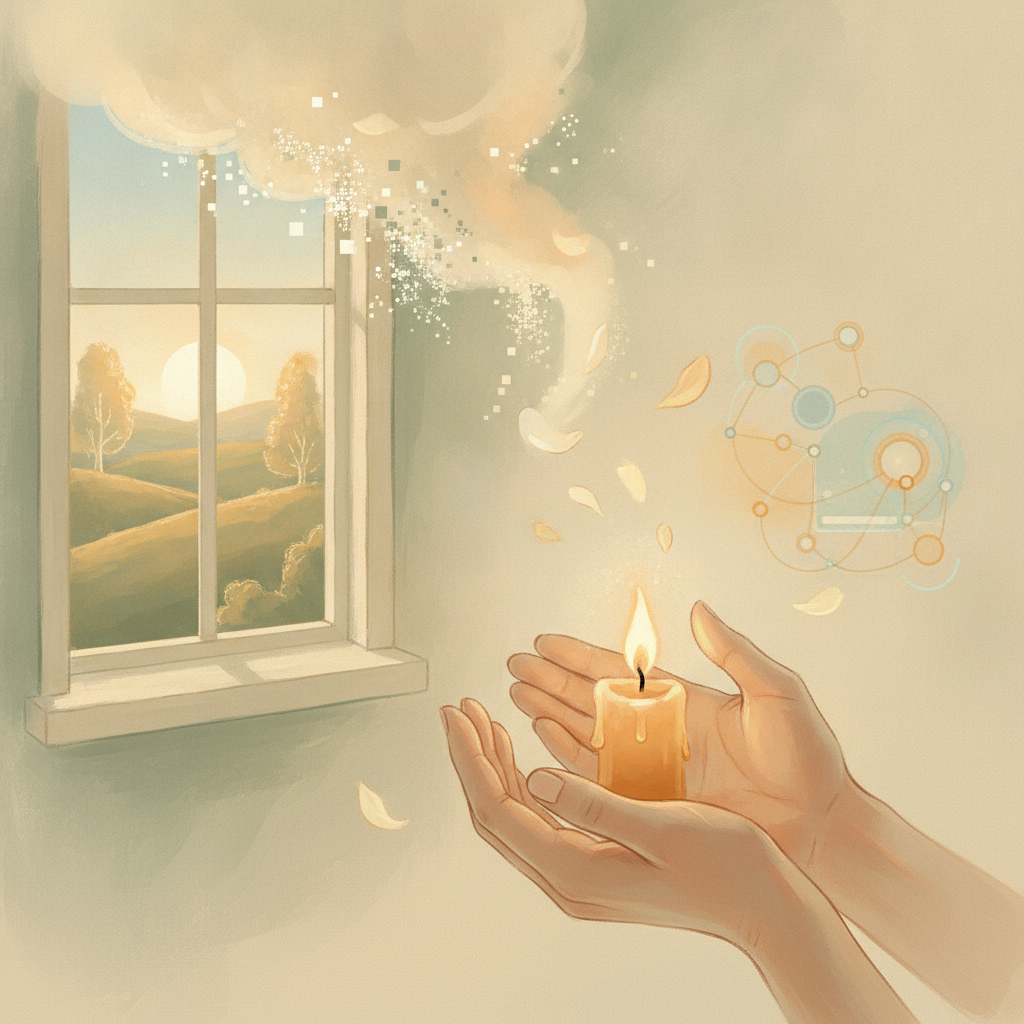
Grief is a deeply personal journey, yet it’s often shared through collective acts of remembrance. For generations, traditional ceremonies and physical commemorations have provided solace and a space for mourning. However, in our increasingly connected world, online memorials have emerged as a significant way to honour those we have lost. Rather than being mutually exclusive, these two approaches can seamlessly work alongside each other, enriching the process of remembrance.
What is Traditional Remembrance?
Traditional remembrance encompasses the well-established practices and rituals used to honour someone after their passing. These acts are often steeped in cultural, religious, or personal traditions, offering comfort and structure during a difficult time. They provide a tangible means for individuals and communities to express their grief and celebrate a life lived.
Common forms of traditional remembrance include:
- Funeral or memorial services: Gatherings where family and friends come together to say their goodbyes, share memories, and find support.
- Burial or cremation ceremonies: Rituals associated with the final disposition of the deceased, often involving prayer or reflection.
- Physical memorials: Headstones, plaques, memorial benches, or trees planted in honour of the person.
- Annual gatherings: Family reunions or specific events held on anniversaries of birth or passing.
- Shared objects: Keeping a loved one's belongings, photographs, or handwritten letters.
These practices offer a vital sense of closure and allow for collective mourning, providing a physical space to gather and feel connected to both the person who has died and to one another.
What are Online Memorials?
Online memorials, sometimes known as tribute pages or virtual memorials, are dedicated digital spaces created to honour and remember a loved one. They serve as a lasting repository for memories, stories, photos, and messages, accessible to anyone with internet access, often from anywhere in the world.
Key features of online memorials typically include:
- Biography and life story: A space to share details about the person's life, achievements, and qualities.
- Photo and video galleries: A collection of visual memories that can be easily uploaded and viewed.
- Guestbooks or tribute walls: Where friends and family can leave messages, anecdotes, and condolences.
- Event notifications: Information about funeral services, memorial gatherings, or anniversaries.
- Charitable giving options: A way for people to donate to a chosen charity in memory of the loved one.
- Interactive elements: Some platforms allow for virtual candle lighting, sharing music, or even collaborative memory-sharing.
Online memorials offer accessibility, reach, and permanence, allowing memories to be preserved and shared across geographical boundaries and over time.
How Can They Work Together?
The beauty of combining online and traditional remembrance lies in their complementary strengths. Rather than one replacing the other, they enhance the overall experience of honouring a loved one.
- Extending the Reach of Traditional Services: An online memorial can serve as a digital adjunct to a funeral or memorial service. Information about the service can be shared, and those unable to attend in person can still feel involved by leaving a message or viewing photos uploaded after the event. It allows people across the globe to participate in the mourning process.
- A Lasting Legacy Beyond the Event: While traditional services provide immediate comfort, an online memorial offers an enduring space. Physical gatherings are finite, but a tribute page remains accessible for years, becoming a growing archive of cherished memories that can be revisited at any time. It's a living memorial that evolves as more stories and photos are added.
- Encouraging Expression for Everyone: Some people find it difficult to speak publicly at funerals, but an online guestbook offers a quieter, less intimidating way to share their feelings and memories. This inclusive approach ensures that more voices can contribute to remembering the loved one.
- A Central Hub for Information: An online memorial can be a single, reliable source for all information related to a loved one's passing – from service details to charitable donation requests. This reduces the burden on grieving families to repeatedly share information.
- Ongoing Support and Connection: Family and friends can continue to visit the online tribute page long after the funeral, particularly on anniversaries or difficult days. Seeing new messages or photos can be a source of ongoing comfort and a way to feel connected to others who are also remembering.
- Preserving and Passing On Stories: Photographs and stories shared online can become a rich family history resource, ensuring that future generations can learn about their ancestors and the lives they lived. It's a digital heirloom, preserving a person's essence for posterity.
Ultimately, both approaches share the same profound purpose: to honour a life, acknowledge loss, and provide solace. By embracing both online memorials and traditional remembrance, we create a more comprehensive, accessible, and enduring way to keep the memory of our loved ones alive. They help ensure that the stories, laughter, and love shared continue to resonate, offering comfort long into the future.
Creating a tribute page can be a gentle way to weave these two threads of remembrance together, crafting a tapestry of memories that honours and celebrates a unique life.
Keep their candle lit.