
Guides
Navigating Holidays After Loss: A Gentle Guide
Coping with the joy and festivity of holidays like Christmas, Eid, Diwali, or Hanukkah can be profoundly challenging when you are grieving. This guide offers gentle ways to navigate these times, honouring your feelings and your loved one.
Last updated
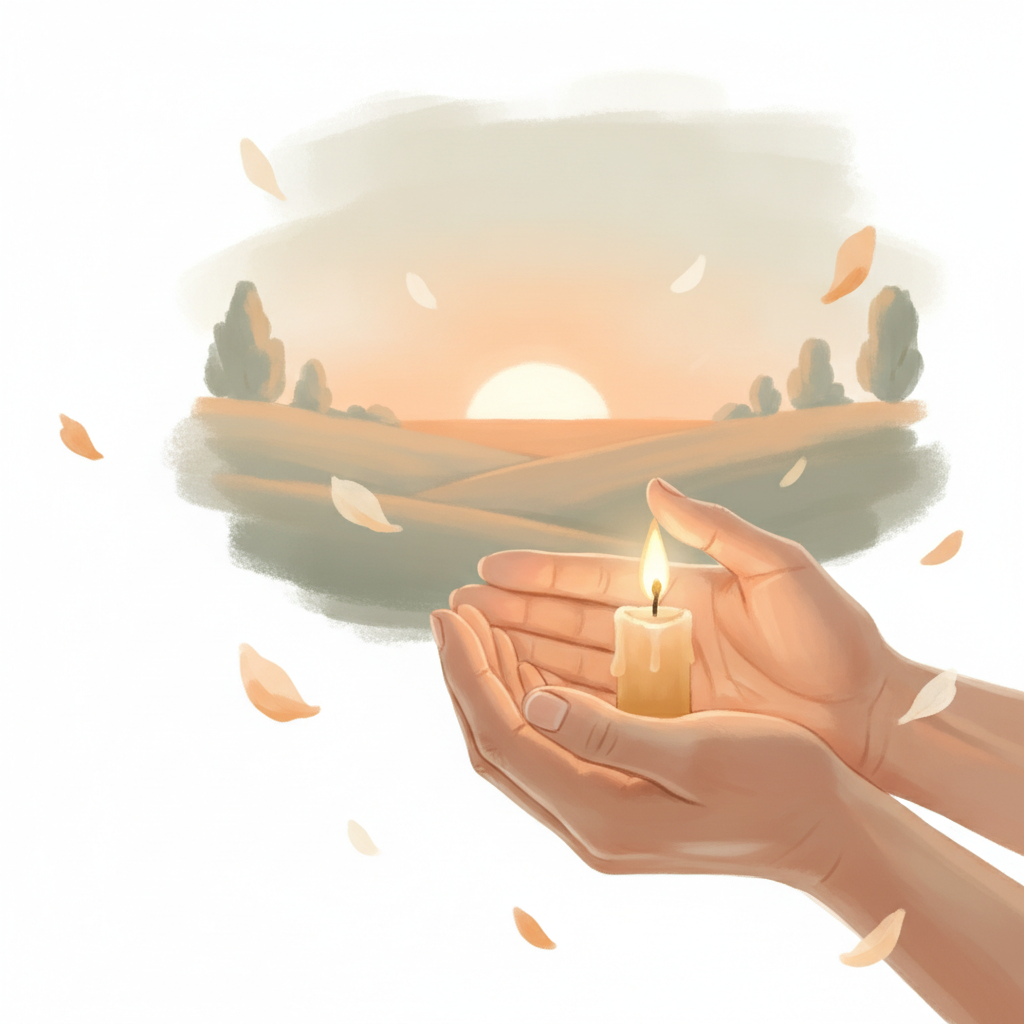
For many, the holiday season is a time of warmth, family, and shared traditions. However, when you are grieving the loss of someone dear, these celebratory times, be it Christmas, Eid, Diwali, or Hanukkah, can feel overwhelmingly difficult. The stark contrast between the world's cheer and your inner sorrow can be particularly poignant. It's important to remember that there's no single 'right' way to grieve, especially during significant holidays.
Why Are Holidays So Hard After Loss?
Holidays are often deeply entwined with ritual and connection. They are times when we naturally gather with loved ones, revisit cherished memories, and uphold long-standing traditions. When someone significant is no longer present, the absence can feel magnified. Not only are you dealing with your personal grief, but you might also be contending with:
- Visible Absence: The empty chair at the dining table, the missing voice in familiar carols, or the untouched gift meant for them.
- Social Expectations: The pressure to be 'merry' or 'festive' can clash painfully with your true emotional state.
- Memory Triggers: Specific smells, sounds, foods, or decorations can powerfully evoke memories, both joyful and painful, of your loved one.
- Changes in Tradition: You may be faced with the prospect of changing long-held family traditions, which can add another layer of grief.
Honouring Your Feelings and Needs
During this sensitive time, it's crucial to give yourself permission to feel whatever you feel and to prioritise your well-being.
- Acknowledge Your Grief: Don't try to suppress your emotions. It's okay to be sad, angry, numb, or even to experience moments of joy mixed with sorrow. Allow space for all these feelings.
- Communicate Your Needs: Talk to family and friends about how you're feeling and what you might need. Perhaps you want quiet time, or maybe you'd prefer to be distracted. Be clear, and don't feel guilty for setting boundaries.
- It's Okay to Say No: You don't have to attend every gathering or participate in every activity. If an invitation feels overwhelmingly difficult, politely decline. Your priority is your emotional health.
- Plan Ahead: Thinking about what the holiday might entail can help reduce surprises. Consider what traditions you wish to keep, adapt, or let go of this year. Having a loose plan can provide a sense of control.
Gentle Ways to Navigate the Season
There are many ways to approach the holiday season after a loss, and what feels right for one person may not for another. Consider these gentle suggestions:
- Create New Traditions (or Adapt Old Ones): Perhaps this year, instead of adhering strictly to past routines, you might introduce a new, simpler tradition. Or, adapt an old one to include remembrance. For example, lighting a candle in your loved one's memory, or sharing a special story about them.
- Give Yourself Permission to Change Plans: It’s perfectly acceptable to change your mind. If you planned to host a large gathering but wake up on the day feeling unable to, it's okay to scale back or postpone. Your emotional capacity may fluctuate, and being flexible with yourself is an act of self-kindness.
- Find Comfort in Simplicity: Sometimes, less is more. Focus on the core meaning of the holiday for you and your family, rather than getting caught up in commercial pressures or elaborate preparations. Simple meals, quiet reflection, or a walk in nature can be profoundly comforting.
- Act of Remembrance: Consciously include your loved one in the holiday in a way that feels meaningful to you. This could be preparing their favourite dish, watching a film they loved, looking through old photos, or even volunteering for a cause they cared about. Visiting their tribute page at https://tributelegacy.com/on-this-day can also be a quiet way to connect with their memory and perhaps add a new story or picture.
- Lean on Your Support Network: Spend time with people who understand and respect your grief. This might be close family, friends, or a grief support group. Having people who can simply listen, without trying to 'fix' things, can be invaluable.
- Seek Moments of Joy: It's not disloyal to your loved one to experience joy. If a moment of laughter or happiness arises, allow yourself to embrace it. These moments can be pockets of light amidst the darkness of grief.
Looking After Yourself
During challenging times, self-care moves from a luxury to a necessity. Ensure you are getting enough rest, nourishing your body, and engaging in activities that bring you even a small measure of peace. This might include reading, listening to music, gentle exercise, or spending time outdoors.
Ultimately, navigating holidays after loss is a deeply personal journey. Be patient and compassionate with yourself. There is no prescribed timeline for grief, nor is there a perfect way to celebrate. Focus on what feels right for you and your family, honouring the love that remains, and acknowledging the journey you are on. Creating a space, perhaps even a quiet, personal tribute page, can be a lasting way to honour and remember those who continue to shape your life.

Keep their candle lit.