
Guides
Navigating Belongings After Loss: A Gentle Guide
Deciding what to do with a loved one's possessions after they've died can be an emotional and often overwhelming task. This guide offers compassionate advice and practical steps to help you through this tender process.
Last updated
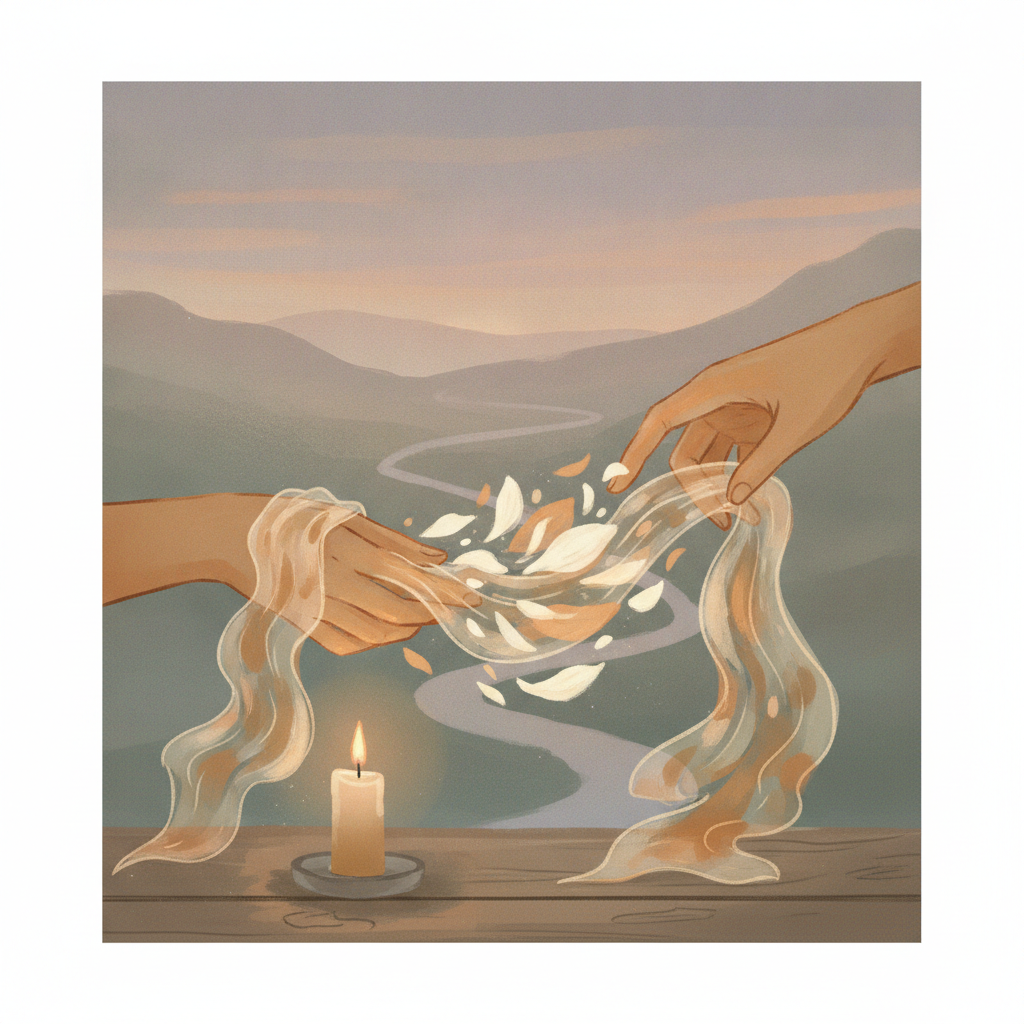
For many, the physical items left behind by a loved one who has died become potent symbols of their life, their passions, and the memories shared. Deciding what to do with these belongings is a deeply personal and often emotionally charged journey. There's no single ‘right way’ or timeline, only what feels appropriate for you and your family.
When Is the Right Time to Start Sorting?
There's no need to rush into sorting through your loved one's possessions. Grief is exhausting, and this task requires presence and emotional energy. Many find it helpful to wait weeks, or even months, until the initial intensity of their grief has softened slightly. Important documents may need to be addressed relatively soon, but the bulk of personal items can often wait. Give yourself permission to pause and process your loss first.
Sometimes, practicalities dictate a quicker timeline, such as if a property needs to be sold or vacated. Even then, consider if you can set aside some key items to revisit later, perhaps in a quiet corner of your own home.
Creating a Supportive Environment
Approaching this task in a calm and prepared manner can make a significant difference. Consider these gentle suggestions:
- Enlist Support: Ask a trusted friend or family member to be present, not necessarily to help sort, but simply to offer companionship, make tea, or listen. Their presence can be a quiet comfort.
- Set Aside Time: Dedicate specific blocks of time, perhaps a few hours, rather than trying to tackle everything at once. Allow for breaks and moments of reflection.
- Create Comfort: Have tissues, water, and perhaps some calming music nearby. Ensure the space is well-lit and comfortable.
- Manage Expectations: Be prepared for a wave of emotions. You might find yourself smiling at a cherished memory one moment and shedding tears the next. This is a natural part of the process.
A Gentle Approach to Sorting
When you feel ready to begin, a systematic yet gentle approach can help prevent overwhelm. You might find it helpful to categorise items into a few main groups:
- Keep: These are items you wish to hold onto – perhaps for sentimental value, practical use, or as a memento for another family member. This might include jewellery, favourite books, letters, photographs, or items with deep personal meaning.
- Donate/Gift: Consider items that could bring joy or utility to others. Many charities accept clothing, household goods, books, and sometimes even furniture. Remember to check their specific requirements.
- Sell: For items of significant value, or those that could benefit local charities through a sale, this might be an option. Antiques, collectables, or higher-value electronics could fall into this category.
- Discard/Recycle: Some items may be broken, worn out, or no longer useful. Dispose of these thoughtfully, recycling where possible.
It can be beneficial to start with less emotionally charged areas, such as a utility room or spare cupboard, before moving to more personal spaces like a wardrobe or desk. This allows you to build momentum and find a rhythm.
What to Do with Cherished Mementos
These are often the most difficult decisions. Here are some thoughts on preserving and honouring your loved one’s memory through their possessions:
- Create a Memory Box: A dedicated box or chest can be a wonderful way to keep letters, small trinkets, photographs, and other precious items safe. You can revisit it whenever you feel the need to connect with those memories.
- Share with Family: Ask other family members if there are specific items they would like to have. Sharing belongings can be a meaningful way to keep the loved one’s presence alive in multiple homes.
- Repurpose or Upcycle: Could a piece of clothing be made into a memory quilt? Could a favourite scarf be framed? Sometimes transforming an item can give it new life and a new purpose, honouring the original.
- Wear or Use: If appropriate, wearing a piece of jewellery, using a favourite mug, or reading their books can be a subtle, everyday way to feel connected to your loved one.
- Digitalise: Photographs, letters, or even children’s artwork can be scanned and stored digitally, preserving them without requiring physical space. This is particularly useful for items that are fragile.
Special Considerations
- Important Documents: Ensure legal documents, wills, financial statements, and insurance policies are handled by the appropriate person (e.g., the executor of the estate).
- Digital Assets: Consider passwords for online accounts, social media, and digital photos. Planning for digital legacy is increasingly important.
- Property Deeds/Keys: These will need to be managed as part of the estate. Consult with the executor or legal advisor.
Moving through the belongings of someone you have lost is a poignant journey, often filled with both sorrow and unexpected moments of comfort. Be kind to yourself throughout the process, giving yourself ample time and space. Each decision you make about their possessions is a step in honouring their life and your shared memories. If you find peace in creating a lasting online memorial, a tribute page can also serve as a beautiful space to share memories and photos of your loved one.

Keep their candle lit.