
Community
Memory Circles: Keeping Stories Alive Together
Memory circles offer a gentle and structured way for friends and family to share stories and remember a loved one collaboratively. These gatherings create a supportive space for collective remembrance.
Last updated
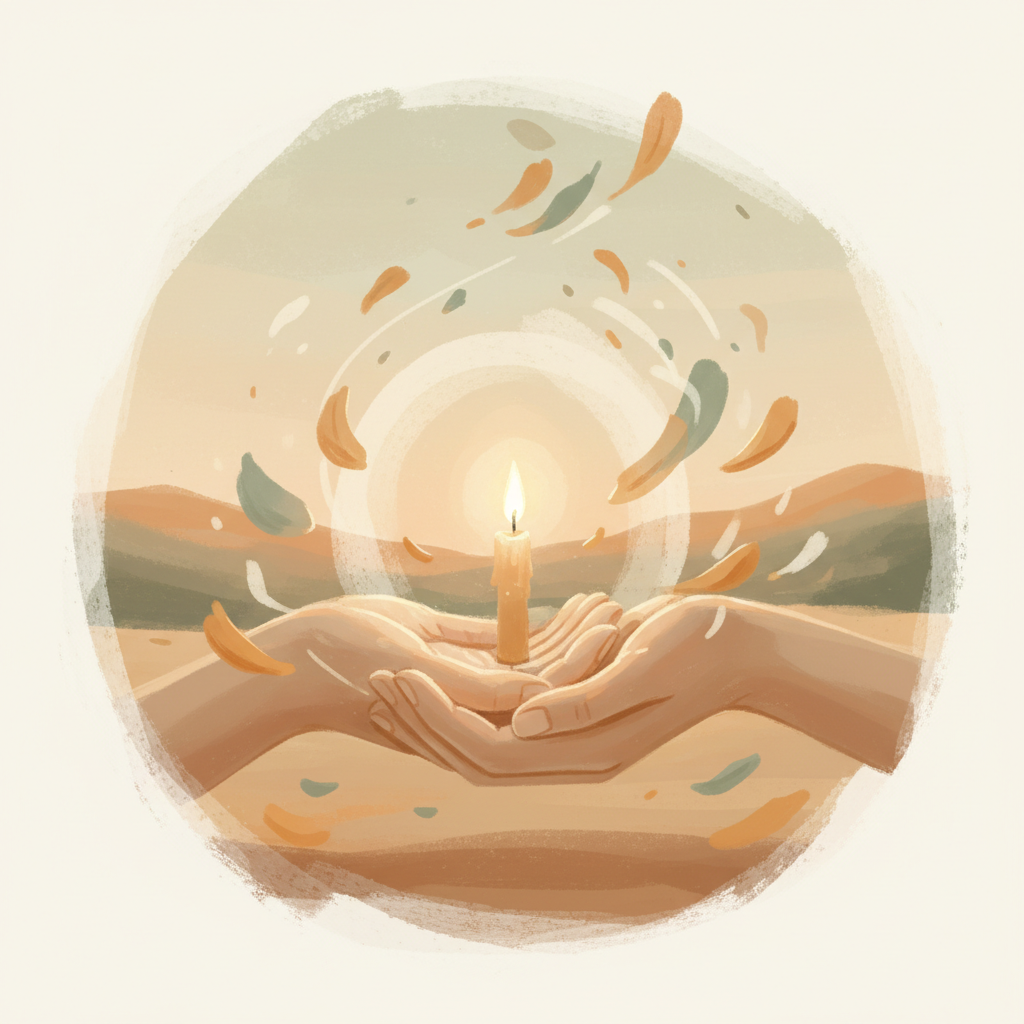
Loss can feel incredibly isolating. While individual grief is a profound journey, remembering together can offer comfort and strengthen bonds. A memory circle is a gathering of friends, family, or anyone who deeply knew and cared for a loved one, coming together to share stories, anecdotes, and memories. These circles are not about formal eulogies or structured speeches; rather, they are informal, compassionate spaces designed to keep the spirit and stories of someone cherished alive through collective remembrance.
What is a Memory Circle?
A memory circle is a gentle, collaborative way to honour a loved one. It’s a dedicated time and space for people who shared a connection with the person who has died to come together and recount their memories. Unlike a memorial service, which often includes more formal elements, a memory circle is typically intimate and focused purely on storytelling and shared reflection. It acknowledges that each person held a unique relationship with the loved one and possesses distinct memories that, when woven together, paint a richer, more complete picture of their life.
Why Are Memory Circles So Meaningful?
Gathering in a memory circle offers profound benefits during times of grief:
- Shared Remembrance: It allows everyone to contribute their piece of the puzzle, bringing different facets of the loved one's personality and life experiences to light.
- Collective Comfort: Hearing others share their memories can be immensely comforting, validating your own feelings of loss and reminding you that you are not alone in your grief.
- Preserving Legacies: By recounting stories, you actively participate in keeping the loved one's memory vibrant and ensuring their impact continues to resonate.
- Strengthening Bonds: These gatherings can foster a deeper connection among those who are grieving, creating a supportive community during a difficult time.
- Healing through Storytelling: Sharing stories can be a therapeutic process, helping individuals process their grief and find moments of joy and laughter amidst their sorrow.
How to Organise a Memory Circle
Organising a memory circle doesn't need to be complex; the emphasis is on warmth and connection. Here’s a simple guide:
1. Choose a Gentle Setting
Select a space that feels comfortable and conducive to intimate conversation. This could be a living room, a quiet garden, a favourite café, or a community hall. The atmosphere should be calm and inviting.
2. Invite Those Who Shared a Connection
Reach out to close friends, family members, and anyone who had a significant relationship with your loved one. Keep the group size manageable – typically 5-15 people works well to ensure everyone has a chance to share without feeling rushed.
3. Set a Gentle Intention
Begin by explaining the purpose of the circle: to share cherished memories and stories of your loved one. Reassure everyone that there's no pressure, and listening is just as valuable as speaking.
4. Create a Welcoming Atmosphere
Consider having a few photos of your loved one displayed, or perhaps a favourite object of theirs that might spark conversation. Light refreshments can add to the comfort, but aren't essential.
5. Facilitate, Don't Dictate
You might start by sharing a memory yourself to set the tone. Then, gently invite others to contribute. Here are some prompts you could use:
- "What's your favourite memory of [loved one's name]?"
- "What was something unique or quirky about them that you remember?"
- "How did [loved one's name] impact your life?"
- "Is there a particular saying or piece of advice they gave that you still remember?"
Allow for silences; they are often a natural part of reflection. There’s no need to force conversation.
6. Embrace All Emotions
It’s natural for tears, laughter, and a mix of emotions to surface. Create a space where all feelings are welcome and respected. There’s no right or wrong way to remember or grieve.
7. Consider a Keepsake
As memories are shared, you might designate someone to jot down notes or key phrases. Or, provide small cards for people to write down a memory, which can then be collected. This creates a tangible collection of stories.
The Lasting Impact
Memory circles offer a beautiful way to ensure that the unique story of your loved one continues to be told and heard. They allow those left behind to find solace in shared remembrance and to feel less alone in their grief. In these circles, the essence of the person lives on, not just in individual hearts, but in the collective consciousness of those who loved them.
Beyond these circles, creating a tribute page, like those found on TributeLegacy, can provide a lasting online repository for these valuable stories and memories, ensuring they can be revisited and added to over time. It offers a space accessible to a wider community of friends and family, continuously weaving the rich tapestry of a loved one's life. Ultimately, remembering is a profound act of love, and together, we can ensure that every story is cherished and preserved.

Keep their candle lit.