
Guides
Local Memorials: Exploring History With Children
Discover how local plaques and monuments can offer a gentle introduction to history for children, fostering understanding and respect for the past within your community.
Last updated
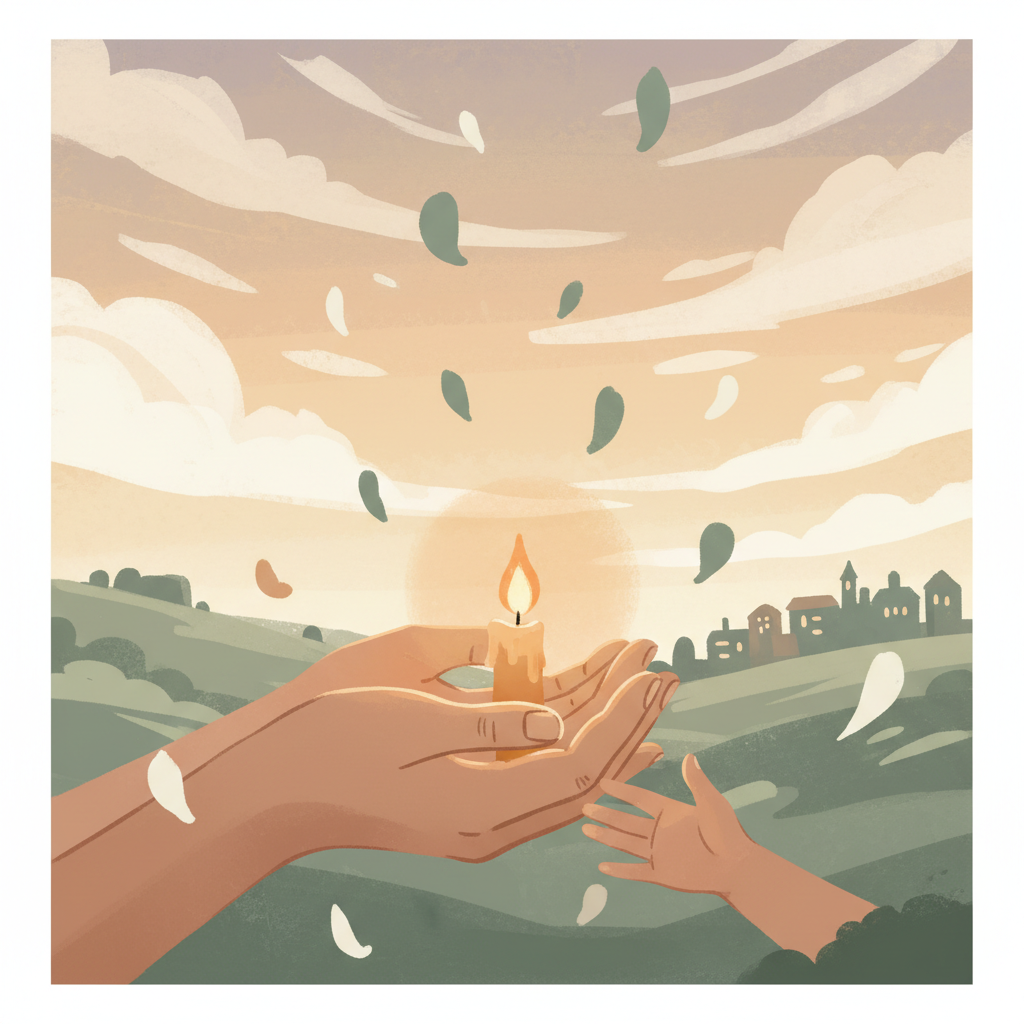
Memorials, whether grand statues or humble plaques, serve as quiet reminders of people, events, and stories that have shaped our communities. They are touchstones to the past, offering a tangible link to history that can be profoundly impactful, especially for children. Using these local monuments can be a beautiful way to introduce younger generations to historical concepts, encouraging curiosity, empathy, and a connection to their surroundings.
What are 'memorials near me' and why are they important for learning?
'Memorials near me' refers to any localised monument, plaque, statue, or even a named building or park bench dedicated to commemorating a person, event, or group. These can range from war memorials honouring fallen soldiers to plaques marking significant historical events, or even benches dedicated to beloved community members. They are important because they make history tangible and accessible. Unlike abstract textbook narratives, a local memorial offers a direct, physical link to the past, making history feel personal and relevant to a child's own world.
For children, encountering these physical markers can spark questions: "Who was this person?" "What happened here?" "Why is this important?" These questions are the foundation of historical inquiry and can lead to deeper learning. They also provide an opportunity to discuss themes of remembrance, gratitude, sacrifice, and community spirit in a gentle, age-appropriate manner.
Preparing for your visit: gentle approaches for young minds
Before heading out, a little preparation can make the experience more meaningful. Consider the age and sensitivity of your child when choosing a memorial and how you'll approach the topic. The goal is to build understanding, not to overwhelm.
- Research together: Look up the memorial online beforehand. What can you learn about its history? Who or what does it commemorate? Sharing snippets of this information can build anticipation.
- Choose wisely: Select memorials that are appropriate for their age. A plaque about a local baker who contributed to the community might be a good starting point before a more complex war memorial.
- Set intentions: Talk about why you're going. Perhaps it's to learn about someone special, to understand a significant event, or just to explore local history. Frame it as a discovery.
Exploring the memorial: engaging children on site
Once you arrive, encourage observation and conversation. Allow children to lead with their questions and curiosities.
- Read the inscription aloud: Help them decipher any dates or names. Discuss what the words mean in simple terms.
- Observe the details: Look at the materials, the artistic elements, any symbols. "What do you notice about this statue?" "Why do you think they chose this kind of stone?"
- Connect to their world: If it commemorates a person, discuss their life or achievements. How might their actions have affected life today? If it's an event, talk about its impact.
- Encourage questions: Be open to all questions, even difficult ones. It's okay not to have all the answers; you can explore them together later.
- Foster respect: Model respectful behaviour around memorials. Talk about why we value and look after these markers of history.
Deepening the learning: activities after your visit
The learning doesn't have to end when you leave. Follow-up activities can reinforce the experience and help children process what they've seen and discussed.
- Drawing or writing: Encourage them to draw what they saw, or write a few sentences about what they learned or how it made them feel.
- Further research: If a question arose that you couldn't answer, look it up together. Visit the local library or search reliable online sources.
- Creative play: They might want to role-play a part of the story, or build a model of the memorial.
- Share stories: Talk about your own family history or local stories. This helps them understand that history is a continuous narrative we are all a part of.
- Visit again: History is often about revisiting and re-examining. Future visits can offer new perspectives as children grow and learn more.
Using local memorials as educational tools offers a gentle and meaningful way to connect children with history. It helps them understand the passage of time, the importance of human actions, and the value of remembering. It also encourages them to appreciate the unique stories embedded within their very own community. For those who wish to create a lasting memorial themselves, perhaps for a loved one, a digital tribute page can serve as a contemporary way to share stories and memories online, ensuring a legacy continues to inspire and educate. Platforms like TributeLegacy offer a space to gather these precious stories and photos, creating an accessible 'legacy location' for future generations to explore and remember.

Keep their candle lit.