
Guides
Involving Grandchildren in Remembrance
Discover thoughtful and gentle ways to include grandchildren in remembering a loved one, helping them process grief and keep precious memories alive.
Last updated
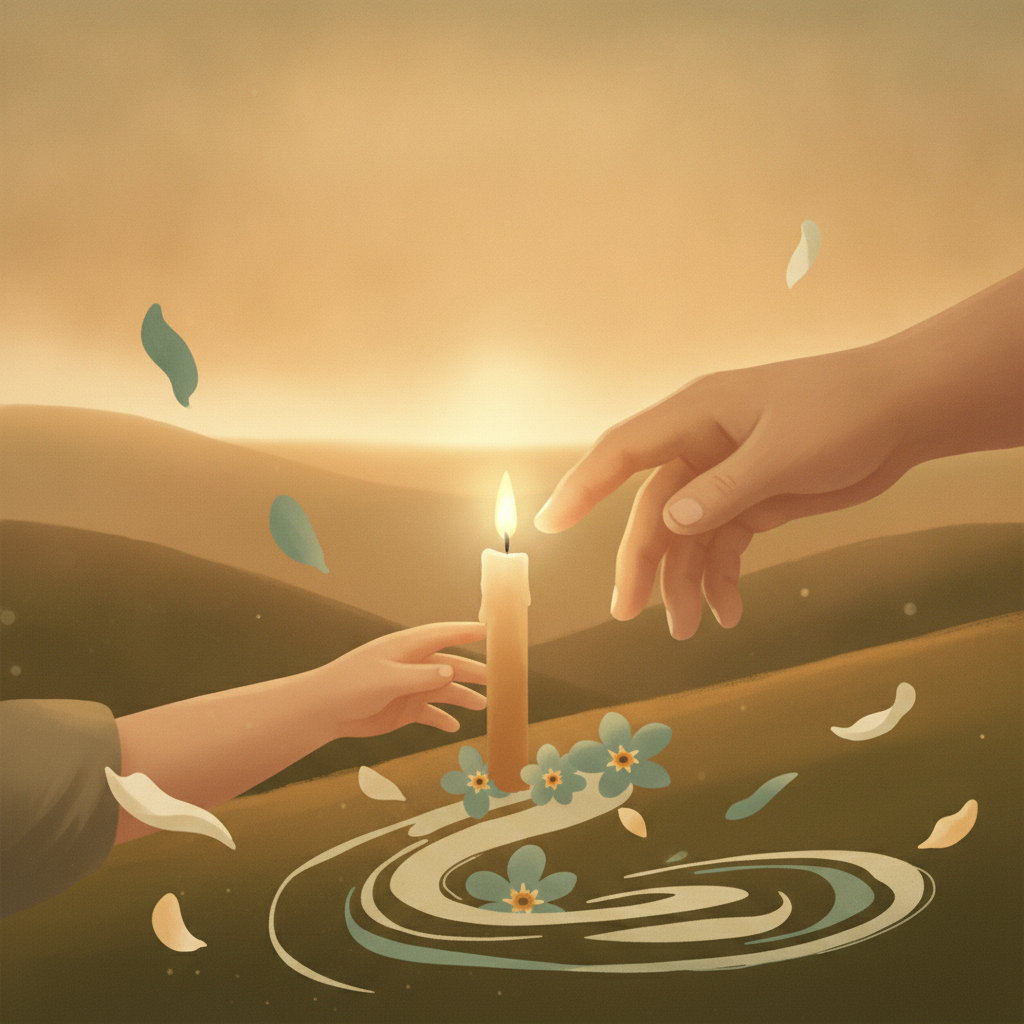
Grief is a deeply personal journey, and for grandchildren, especially younger ones, understanding and processing the loss of a loved one can be particularly challenging. Involving them gently and appropriately in acts of remembrance can provide comfort, foster connection, and help them keep the memory of their grandparent or other loved one alive. Remembrance activities don't need to be grand; often, the simplest gestures are the most meaningful.
Why Involve Grandchildren in Remembrance?
Including children in remembrance can offer many benefits. It helps them to understand that it's okay to feel sadness and to talk about their feelings. It also provides a sense of continuity and helps them feel included within the family's grieving process. For children, remembrance can be a way to express their love and to maintain a bond with the person they are missing.
- Validates their grief: It shows them that their feelings of sadness and loss are acknowledged and understood.
- Strengthens family bonds: Shared remembrance can bring the family closer together during a difficult time.
- Keeps memories alive: Active participation helps children create and revisit cherished memories.
- Provides comfort: Engaging in an activity can offer a gentle distraction and a sense of purpose.
- Develops coping skills: Learning how to remember and honour someone can be a valuable life skill.
Age-Appropriate Ways to Remember
Considering a child's age and developmental stage is crucial. What brings comfort to a teenager may overwhelm a toddler. The key is to offer choices and allow them to participate in ways that feel natural and safe for them.
For Younger Children (Preschool to Early Primary)
For very young children, simple, tangible activities work best. Focus on continuity and gentle engagement.
- Story Time: Share stories about the loved one, perhaps looking through photo albums together. Talk about happy memories and funny anecdotes. Let them pick their favourite pictures.
- Creating a Memory Jar: Provide a jar and decorative items. Encourage them to draw pictures or write very short sentences (with help) about their loved one. These can be read aloud on special days.
- Planting a Seed or Flower: Planting something that will grow can be a beautiful metaphor for life and remembrance. They can care for it as it grows, providing a gentle connection.
- Drawing Pictures: Offer art supplies and encourage them to draw what they remember or how they feel. There's no right or wrong way to express themselves through art.
For Older Children (Primary to Early Teens)
Older children can engage in more detailed activities, often involving creativity and personal expression.
- Scrapbooking or Photo Albums: Help them create a physical tribute. This could involve printing photos, adding captions, and decorating pages. It's a hands-on way to process memories.
- Writing Letters or Poems: Encourage them to write a letter to their loved one, expressing their feelings, or a poem that captures a special memory. These don't necessarily need to be shared.
- Cooking a Favourite Recipe: If the loved one had a signature dish, making it together can be a lovely way to remember them through shared taste and experience. Cooking can involve everyone.
- Creating a "Memory Box": A special box where they can keep small trinkets, notes, or photos that remind them of their loved one. This becomes a private space for reflection.
- Choosing a Charity: If the loved one supported a particular cause, involving older grandchildren in choosing a charity for a donation in their name can be empowering.
For Teenagers
Teenagers may prefer more independent or reflective activities, often leveraging their established skills.
- Digital Remembrance: Creating a playlist of their loved one's favourite music, compiling a digital photo album, or even contributing to a video montage. Technology can be a powerful tool for connection.
- Journaling: Providing a special journal where they can write freely about their thoughts, feelings, and memories. This can be a very private and therapeutic outlet.
- Creative Expression: Encouraging them to express their feelings through music, art, poetry, or stories. This allows them to process grief in a way that resonates with their personality.
- Volunteering: If appropriate, volunteering for a cause their loved one cared about can be a profound way to honour their legacy and contribute positively to the world.
Gentle Guidance and Support
Throughout any remembrance activity, it’s essential to provide gentle guidance, rather than pushing or forcing participation. Be open to their questions and their emotions, whatever they may be. There’s no fixed timeline for grief, and children may revisit their feelings and memories many times.
- Listen actively: Pay attention to what they say, or don't say, and how they behave.
- Be honest and simple: Answer their questions truthfully but in age-appropriate language.
- Normalise emotions: Let them know it's okay to feel sad, angry, confused, or even happy when remembering.
- Follow their lead: If they are reluctant, don't force it. Offer different options or try again another time.
- Share your own memories: Let them see you remembering and expressing your feelings, modeling healthy grief.
Involving grandchildren in remembrance is not about moving on quickly, but about moving forward gently, with love and connection. Each shared memory, each creative act, and each moment of reflection helps to honour the unique bond they shared and ensures their loved one's presence continues to enrich their lives. Creating an online tribute page can also be a wonderful, inclusive space for family members of all ages to contribute their memories and photographs, creating a lasting legacy together.

Keep their candle lit.