Guides
Green and Natural Burial in the UK: A Gentle Guide
Exploring eco-friendly funeral options in the UK, this guide covers what natural burials entail, their typical costs, and how to locate a suitable site.
Last updated
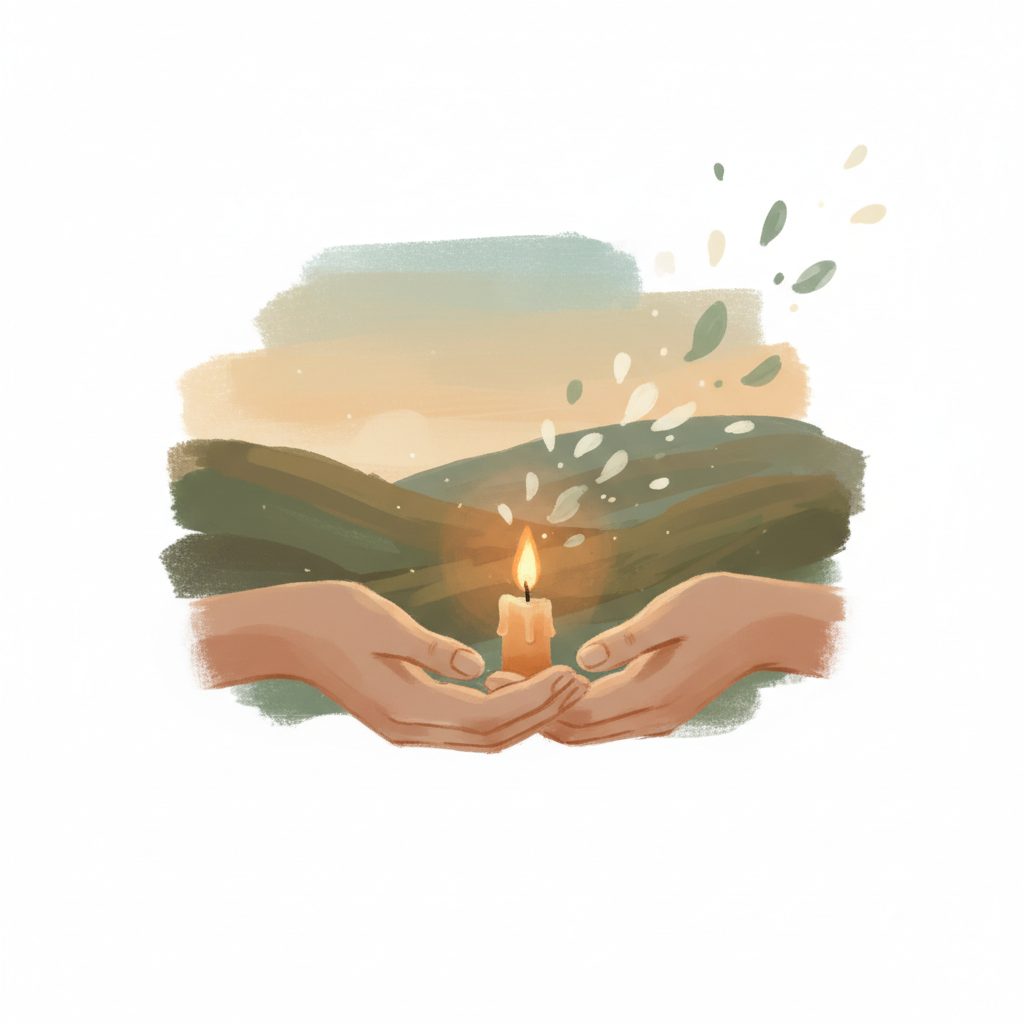
For many, the idea of a burial that naturally returns remains to the earth, leaving minimal environmental impact, offers a sense of peace and connection. Green, or natural, burial focuses on simplicity and sustainability, providing an alternative to traditional funeral practices that might use embalming chemicals or non-biodegradable caskets.
What is a Green or Natural Burial?
A green or natural burial is an environmentally friendly approach to laying a loved one to rest, designed to have the least possible impact on the environment. The core principles revolve around:
- No Embalming: The use of chemical embalming fluids is typically avoided, as these can leach into the soil and groundwater. If preservation is desired, natural chilling or dry ice might be used temporarily.
- Biodegradable Materials: All materials used, including the casket, shroud, or urn, must be made from natural, compostable materials like untreated wood, wicker, bamboo, or simple cloth.
- Shallow Burial: Graves are often dug to a shallower depth than conventional burials (usually around 3-4 feet). This allows for optimal decomposition within the active biological layer of the soil.
- Restoration of Land: Natural burial grounds are often managed to promote local ecology, with native trees or wildflowers planted over graves, creating and preserving natural habitats rather than manicured lawns and headstones.
The philosophy embraces the cycle of life and decomposition, allowing the body to return to the earth without artificial barriers or enduring markers. Grave markings are often discrete, such as a simple wooden marker, a planted tree, or a memorial stone laid flat.
What Are the Costs of a Natural Burial in the UK?
The cost of a natural burial in the UK can vary significantly depending on the location, the services chosen, and the specific natural burial ground. Generally, natural burial can be more affordable than a traditional funeral, though this isn't always the case.
Here's a breakdown of typical costs:
- Burial Plot Fee: This is the cost for the land itself. Prices can range from £500 to £2,000, sometimes more in highly sought-after areas. This often includes the digging and filling of the grave.
- Biodegradable Casket or Shroud: These are usually less expensive than elaborate traditional coffins. A simple cardboard coffin might cost £150-£400, while a wicker or bamboo casket could be £400-£1,000. A natural burial shroud can be even less, from £100-£300.
- Funeral Director Fees: While some families choose to handle arrangements themselves for a very natural burial, many still opt for the support of a funeral director. Their services can range greatly, from £1,500 to £4,000, depending on the extent of their involvement (e.g., transportation, care of the deceased, administration).
- Other Potential Costs:
- Officiant/Celebrant Fee: If you choose to have someone lead the ceremony, this might be £150-£300.
- Memorial Tree/Planting: Some natural burial grounds include this, others might have an additional charge of £50-£200.
- Transportation: Fees for bringing the deceased to the burial site.
Overall, a natural burial, including plot, biodegradable casket, and basic funeral director services, might range from £2,000 to £5,000. This often compares favourably to the average cost of a traditional burial funeral in the UK, which frequently exceeds £4,000-£5,000.
Where Can You Find a Natural Burial Ground in the UK?
The number of natural burial sites across the UK has grown considerably, offering choices in various regions. They are typically serene, peaceful locations, often in woodlands, meadows, or designated wildlife areas. Many are privately owned, while others are managed by local councils or charities.
To find a natural burial ground:
- The Association of Natural Burial Grounds (ANBG): This is the definitive resource in the UK. Their website (naturaldeath.org.uk/burial-grounds) provides a comprehensive map and directory of certified natural burial grounds across England, Scotland, Wales, and Northern Ireland. Each listing often includes contact details, facilities, and specific regulations.
- Local Council Websites: Some local authorities operate their own natural burial sections within existing cemeteries or dedicated natural burial grounds. Searching your local council's bereavement services section can yield results.
- Funeral Directors: Many funeral directors, particularly those specialising in green funerals, will have knowledge of local natural burial options and can guide you through the process. They can help you understand the nuances of funeral etiquette specific to these sites.
When choosing a site, consider visiting if possible. Observe the atmosphere, the natural environment, and speak with the staff or custodians. Ask about their management practices, memorialisation policies, and accessibility. This personal connection can help ensure the chosen spot feels right for your loved one's final resting place.
Embracing a green burial can be a deeply meaningful choice, reflecting a desire for simplicity, environmental stewardship, and a gentle return to nature. It provides a peaceful and lasting legacy rooted in care for our earth. Should you wish to create a tribute page to honour your loved one, our platform offers a gentle space for remembrance at any stage of your journey.
Keep their candle lit.