Guides
Direct Cremation: Understanding This Choice
Direct cremation is an increasingly considered option for saying goodbye. This guide explores its meaning, what it involves, and key considerations for families.
Last updated
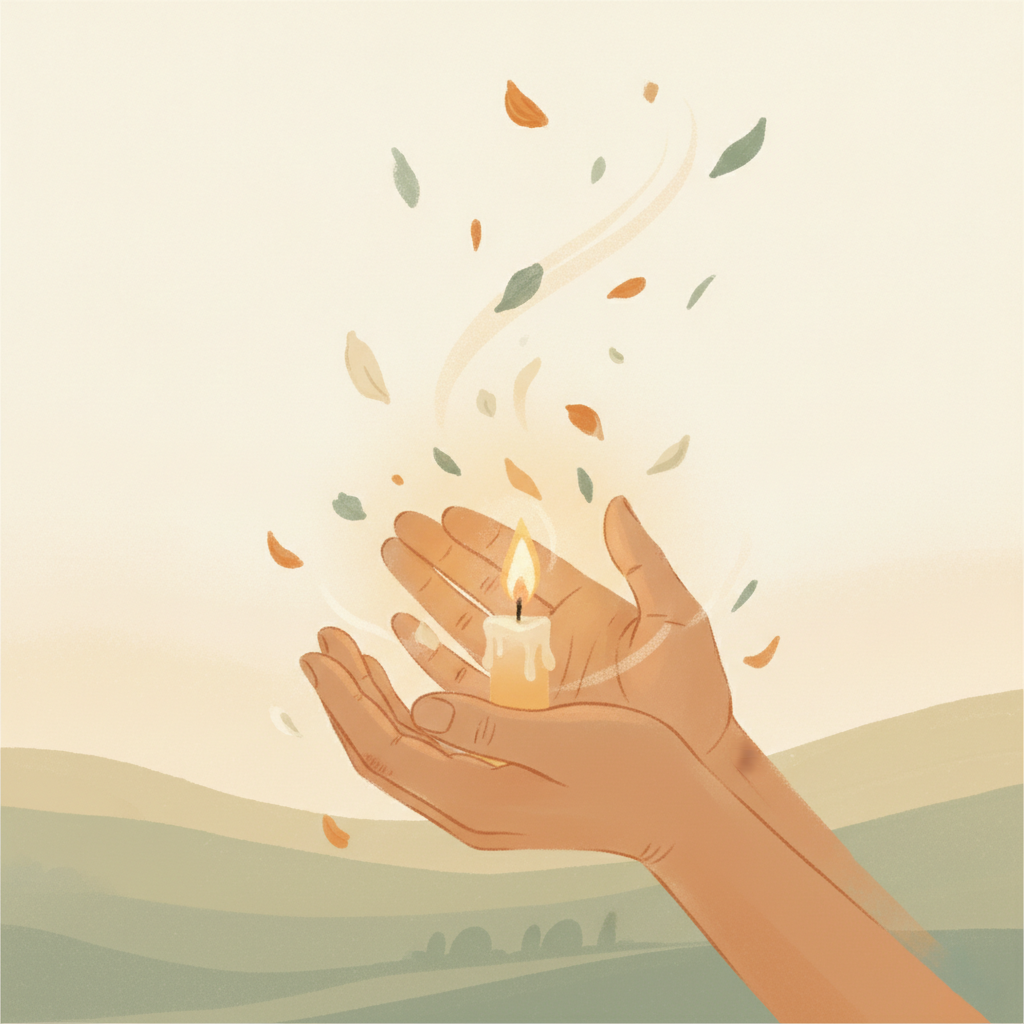
Direct cremation is a type of funeral arrangement where the deceased is cremated without a formal funeral service beforehand. This means there is no viewing or ceremony with the coffin present. The cremation usually takes place a few days or weeks after the passing, and the ashes are then returned to the family.
This approach offers simplicity and often a lower cost compared to traditional cremations or burials, allowing families the flexibility to arrange a memorial service or scattering of ashes at a later date, if they wish, or to forgo a formal service entirely.
What Does Direct Cremation Involve?
The process of direct cremation is typically straightforward, focusing on the essential steps required for cremation:
- Collection of the Deceased: A funeral director will collect the deceased from their place of passing (hospital, home, or hospice).
- Care for the Deceased: The body is cared for respectfully, usually in a simple coffin.
- Paperwork and Legalities: All necessary legal documentation for cremation is handled by the funeral director.
- The Cremation: The cremation takes place at a crematorium, without family present.
- Return of Ashes: The ashes are returned to the family afterwards, usually in a basic urn or suitable container.
Families then have the freedom to decide how and when they wish to honour their loved one's memory. This might be a private scattering of ashes, a celebration of life some months later, or a quiet act of remembrance at home.
Understanding the Costs of Direct Cremation
One of the primary reasons families consider direct cremation is the significantly lower cost compared to traditional funeral options. While prices can vary depending on the provider and region, direct cremation typically ranges from £800 to £1,500 in the UK.
This price usually includes:
- Collection of the deceased.
- Care for the deceased.
- A simple coffin.
- Cremation fees (medical forms may be extra).
- Return of the ashes.
What is often excluded from these costs are things like embalming (usually unnecessary for direct cremation), limousines, elaborate floral tributes, or a traditional funeral service with a celebrant or minister. These omissions contribute to the cost savings, allowing resources to be directed elsewhere, perhaps towards a meaningful memorial event or a donation to a beloved charity.
What Are the Advantages of Choosing Direct Cremation?
Families often find several benefits in opting for direct cremation:
- Simplicity and Reduced Stress: It removes the immediate pressure of organising a large, traditional funeral service during a difficult time.
- Cost-Effectiveness: It is a more affordable option, which can be a significant consideration for many families.
- Flexibility for Remembrance: Families have complete freedom to plan a personalised memorial service at a later date, at a location, and in a style that truly reflects the life lived, without the time constraints often associated with traditional funerals.
- Environmental Considerations: For some, the simpler approach aligns with desires for a lower environmental impact, particularly when combined with eco-friendly coffin choices.
- Privacy: It allows for a very private period of grieving without the formality of a public ceremony.
Are There Any Disadvantages to Consider?
While direct cremation offers many benefits, it's important to acknowledge potential drawbacks, as it may not suit every family's needs or wishes:
- Lack of Immediate Formal Goodbye: Some families may feel the absence of a traditional funeral service doesn't provide the immediate closure or community support that a conventional ceremony offers.
- Emotional Processing: For some, seeing the coffin or having a formal service is an important step in processing grief. Direct cremation bypasses this immediate ritual.
- Family Expectations: There can sometimes be differing expectations among family members regarding funeral traditions, which might need careful communication and understanding.
What Families Often Wish They Had Known
Reflecting on their experiences, families who have chosen direct cremation sometimes share insights that can be helpful for others considering this path:
- The Importance of a Later Memorial: Many realise the true value of planning a meaningful memorial or celebration of life after the direct cremation. This allows time to grieve privately and then intentionally gather loved ones to remember and honour the deceased on their own terms. It’s an opportunity to ensure a fitting tribute.
- Communicating with Family: It's vital to discuss this choice openly with close family members. Explaining why direct cremation is being considered and how future remembrance will be handled can help manage expectations and prevent misunderstandings.
- Personalising the Remembrance: Even without a formal funeral, there are countless ways to make the remembrance deeply personal. This could be a favourite piece of music, a shared meal, or visiting a significant place.
- It's Okay to Grieve Differently: There's no single 'right' way to grieve. Direct cremation supports a more flexible approach to expressing sorrow and celebrating a life.
Choosing how to say goodbye is a deeply personal decision. Direct cremation offers a contemporary and respectful option that prioritises simplicity, flexibility, and often, affordability. Understanding its characteristics can help families make a choice that genuinely honours their loved one's memory and supports their grieving journey.
If you are navigating these decisions and looking for ways to honour your loved one, creating a tribute page can be a gentle way to gather memories and messages from friends and family, providing a lasting place of remembrance. Further insights into navigating various aspects of remembrance can be found in resources like our guide to funeral etiquette.
Keep their candle lit.